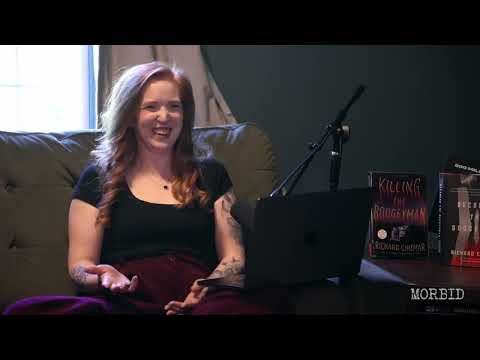
Episode 782: True Crime: A Sit Down With Patricia Cornwell
Episode Description
Today we are joined by the legendary Patricia Cornwell! We dive into all things Scarpetta, the highly praisedTV adaptation of her iconic book series. We also get into the evolution of forensic science in storytelling, and how Patricia basically walked so every crime show could run. Then we shift gears into her deeply personal new memoir, where she opens up about her life, career, and the experiences that shaped her storytelling. From behind-the-scenes publishing drama to the real-life inspirations for her chilling cases, Patricia gets candid in a way that is equal parts fascinating and inspiring!
Mentions in this Episode
Get 25% off MORBID Merch on our shops on Sirius & Podswag! Catch the sale which is available today until 5/11!
Get Patricia's incredible Memoir: True Crime available everywhere 5/5!
Watch the iconic series Scarpetta!
Cowritten by Alaina Urquhart, Ash Kelley & Dave White (Since 10/2022) Produced & Edited by Mikie Sirois (Since 2023) Research by Dave White (Since 10/2022), Alaina Urquhart & Ash Kelley Listener Correspondence & Collaboration by Debra Lally Listener Tale Video Edited by Aidan McElman (Since 6/2025) Listener Tale Theme Music licensed from https://www.purple-planet.com Main Theme: Matti Paalanen — Trick or Treat — Provided by Jamendo Ad Music: Title: Artist: BlueJay Studio — Spooky Waltz — Provided by Jamendo
Read the full transcriptHide the full transcript
- Hey weirdos, I'm Ash. And I'm Elena. And this is Morbid O. >> It sure is. >> I I really love saying Morbid O.
- >> Morbid O. >> The way we just we're going to rebrand. >> Yeah, Morbidito. >> I like that.
- >> Yeah, just uh I don't know. It's just what I'm calling it now. >> You're like, you know what? I had
- something that left and >> weekend. We never record on the weekend and it feels strange.
- >> You know what that's from? The weekend. >> Wait, no, I do. Yeah, Urban Legend.
- >> Yeah, and cuz I know I've said I say that sometimes and I I have to wonder if
- like 85% of the audience is like, why do you say it like that? >> Watch Urban Legend if you haven't cuz
- that's a key movie. >> It's the best. >> dean when he gets got before he gets got, he says spoiler alert, he says
- >> The dean dies. >> He says something like, well, it's the weekend. And the way he says it has
- always made me laugh. So I just >> It's my It's a vocal stem that I've had for literal decades.
- >> a lot of random vocal stems cuz I love from Never Been Kissed, ah [ __ ] I don't
- even know my own kid. I love saying that. >> Jose? >> Jose? Oh, randomly we'll just go Jose.
- >> People are probably like, what? >> Like it's from a movie. >> I'm not Josie Grossie anymore.
- >> And that's Never Been Kissed. Thank you. >> Um exciting news. Let's move on to
- actual business. We want you to go get yourself something spooky, honey. Something spooky, something cute,
- something Morbidito. >> Something Morbidito. >> It's our merch. Head to uh seriousxmstore.com
- and you can use code morbid for 25% off of your merch order. And that is only for a limited time. It's the 4th through
- the 11th, so don't wait. >> Do it. >> Don't wait. >> It's really comfy, guys. The merch is
- cozy wosey. >> It's really [ __ ] good. >> Yeah. >> Really excited about it. >> We
- um got to do a fun little thing the other day where we wore our merch for it. >> We did.
- >> be some more news coming out soon, but let's get to the news of today because
- today's a cool freaking day. >> Uh we have Patricia Cornwell on the show again today.
- >> I feel like Patricia's like a family friend at this point. >> This is we're recording this intro after
- we already talked to Patricia, and I think she actually said that to us. She said something along those lines.
- >> She knows. She felt it. >> It was It was life-changing for me. I feel like every time we talk to her, I
- just end up very inspired. >> It's true, and I think you guys will, too, because this is an episode where we
- talk about a lot of different things. We're going to talk about uh we're going to talk about Scarpetta, the TV show, um
- which is [ __ ] awesome. I'm telling you guys go watch it. We're going to talk about um her new memoir, True
- Crime. Uh it's literally called True Crime: A Memoir. It's really, really good. >> It's out tomorrow, actually, which is
- May 5th. So, you can go get it. Go pre-order it if you're a day early. Go get it if it's on the day.
- >> If you're in the car, I don't care where you're going. Now, go get you're going
- to a bookstore. >> Yeah, I'm telling you it's a really great. We got the the honor of reading
- it early, and I I'm telling you it's an amazing book. >> So good. >> Um but yeah, this is So, this episode we
- talk about the memoir, we talk about Scarpetta, we talked about uh how to keep yourself safe.
- >> Yeah, like like life tips. >> And what true crime has done to all of our psychies and our paranoias. Uh she
- shared some really crazy stories. And also, she's just crazy inspiring. At the end of it, you're going to be like,
- "Well, [ __ ] I'm going to do stuff." >> Yeah, she's she's incredible. >> funny as hell. Like I love Patricia.
- Patricia forever. Um these episodes are always so much fun. I always end getting up getting off
- them being like, "Can we talk to Patricia again?" >> Oh, you missed the most important part
- actually. We also talk about Jack the Ripper and we think >> Yeah, we do. >> Patricia, this this will not be
- Patricia's last time on the pod, honey. >> No, we know. >> Because I think she's coming back to
- talk about Jack the Ripper. >> Yeah, we're going to try to get her back for some Jack the Ripper realness
- because >> to reel a couple of redheads in in this episode. I said, "Guys, we got to do
- this another time because we got to go full-blown into this." >> We do. So, stay tuned for that cuz I'm
- very interested in Patricia's take. I'm going to reread her book because honestly I haven't read that Jack the
- Ripper Portrait of a Killer book >> Oh my god. >> like a long time. >> read that since like early high school.
- >> Yeah, so now that I have like more information under my belt about Jack the Ripper, I want to give it another go and
- see if I agree with her her person there. >> Walter Sickert. >> So, without further ado, here's the
- episode with Patricia. Here she is. So, Patricia, first of all, huge congratulations on the most hugely
- anticipated Scarpetta series. I have personally been waiting for this I feel like 30 years. I've been just on pins
- and needles for you. >> Me too. >> I can't imagine. I'm so excited for it. >> Well, thank you. I am excited and I was
- just saying a minute ago but I want everybody to hear this and that when I was at the premiere in early March and
- of course I'm looking at at all the influencers and the these shows and things that are really important to the
- the studios and stuff out there and and your show is listed there. >> Ah, that is mind-blowing.
- >> Morbid is listed as one of the the important podcast that for and of course it makes sense. I mean Scarpetta and
- Morbid fit hand in glove, don't they? >> They do. I think so. >> I feel that. >> Well, I suspect she listens to you when
- um she's not busy at, you know, I bet you Scarpetta is tuning into Morbid on a regular basis. She doesn't
- tell me what she listens to, you know. >> I love that. That's That's in my head canon now.
- >> Yeah, I was going to say canon forever. >> You know, we got to find a way to have
- Morbid have a cameo on that show. Wouldn't that be fun? >> We would die. >> I'm going to say something to them next
- time I I see them. I'll say, "We got to do something." Cuz you know, >> I would die on the spot.
- >> Now, I'm going to get in so much trouble. So, here we are talking about it. >> But but um
- >> You know, I suspect that there's some of those characters I mean, we know that
- they secretly listen to your show. So, but but anyway, but I I am glad it's been um
- I I I can't I'm I'm I'm kind of numb. Like I almost can't believe it's happened.
- >> And you have a new memoir coming out. It's actually coming out tomorrow, May 5th. Uh it's called True Crime: A
- Memoir. Go get it, everyone. I'm telling you we were lucky enough to get an early
- copy of it, and I ate it up. It is an amazing memoir. Like truly, truly, truly. Congratulations.
- >> Thank you so much. >> It's so well written. It's very you. That's That's what I loved about it.
- It's like you get the Patricia Cornwell voice throughout. And it feels so conversational, too. It's not your
- typical memoir. >> No, definitely not. >> Well, thank you for that. I mean, you know, I just tried to
- I tried to write it as as as a story. Like you're just telling people a story. I look at true crime
- um and and I know that's seems like a strange title. It was so funny when I Googled. You
- know, you have to Google for titles. You know that. You write books, you know. You know, you can be hard to find a
- title that hadn't been used. And it was surprising to me that really hadn't been used because it's more of a
- genre. >> Yeah. >> And it's a title. But it's perfect for this cuz it's it has many meanings.
- >> Oh, yeah. But >> You know, I don't know where voice comes when you write. When I started it, I
- didn't know what the voice was going to sound like. but I know most of all I think part of it was helped by the
- fact that, you know, I had written a book in college that was a thinly veiled autobiography um because everybody
- should write a book about the first 19 years of their life cuz it's would be so massively interesting to all, right?
- But I at least I got an honors grade for it in college. But that book was told very much from
- the point of view of a child. >> Mhm. >> A young person. And so by the using that
- as source material cuz I had so many anecdotes and stories in it that I wouldn't remember today. For example,
- when I started that I'd just come out of that psychiatric hospital with the from
- the eating disorder. I mean, which was like a crazy movie. >> Oh, yeah. >> You can't make up stuff like that. Me
- being in a place like that for 2 months when I was the only one who, well, I'm not going to say I was the only one.
- I'm not going to say anything. I'm just going to say uh it was scary being there.
- >> I can imagine. Yeah, absolutely. >> Yeah. >> You're never supposed to say that
- somebody's crazier than you are or they're not. You won't get it to comparisons cuz they probably thought I
- was very strange, too. But anyway, um I had just come out of there and I started writing all this. So I
- remembered it like it was yesterday. You know, right down to the tennis shots that I had to hit when they made me play
- that exhibition match. Now, you tell me that's not crazy. That you're a patient in a psychiatric hospital, you weigh 89
- lb, and because you used to be a well-known tennis player in the area, they they make you do an exhibition
- match in front of all of the patients. >> That's what I find flowing. >> That's honestly nightmarish.
- >> The tennis court was all cracked. There were weeds growing up in it cuz it wasn't used anymore cuz it used to be a
- a a resort and then it became a private hospital. But anyway, you know, when you
- get all these wild stories in life that don't seem fun at the time, but boy are they gifts later.
- >> Yeah, truly. It's one of those things that it's like I should write a book about this.
- >> That's right. >> So you've been you've spent decades telling stories about crime, justice,
- human behavior, human psychology, forensics, all manner of things that have to do with this. What felt like now
- being the moment to tell your story instead of fictionalizing it? >> Well, I didn't want to do it. I've never
- wanted to do it. >> I can imagine. >> And I wouldn't have done it. There are not that many mystery writers, crime
- writers. There There There are not that many autobiographies. And I mean, even Dickens didn't write an autobiography
- because I think these people, you know, you die in the saddle. You You're still working on your last book. And I didn't
- want to do this either. But then when when they were Someone was talking about making a television show, having a
- character based on me, when I read a draft of a of a script, I didn't recognize the character and it wasn't
- the writer's fault. It really was because there's no record out there to check. If you want to know the
- definitive things about my life, you have to piece it together from many, many interviews over the years. And uh
- present company excluded, not not all people who interview you to tell tell things accurately.
- >> Right. I can imagine. >> So, I was just going to write down a bunch of notes. And the next thing I
- knew, I thought, you know, I should just try to What happens if I start telling the story? I'm I just finished my last
- book three or four months early. I've got a little time if I want to think about it.
- And I never know when I start a book whether that story wants to be told and until it tells me that it does.
- >> Yeah. >> You start when I say You start the page, I think of a scene, and I thought, well,
- how would I start this story about my life? What scene? And it's the same way I started
- Scarpetta novel. What is the scene? Where is she right now? What is she doing? And I I know you all You relate
- to this. I thought, well, I have to start when I woke up that morning and I and I heard my mother burning all her
- clothes in the living room. >> That's the one. >> And her rapid footsteps going up and
- down the hall and I'm looking out the window at the snow and there's And my brothers are making weird noises in
- their bedroom and I'm upset and telling her to stop. That event changed everything that would ever happen to me
- ever again. Because if she had not done that and then marched us try to take us up the mountain and give us to Billy
- Graham's family, which she she successfully we got up there because their caretaker saw us and knew
- something was really wrong with her watching me walk these kids walking these kids up there in the snow. And but
- and they're I mean I still see Ruth sitting in the living room way back then when I was 9 years old.
- And that was the beginning of my transferring really truly my affection and my trust to that woman.
- Instead of my own mother. That's why I mean I continued to live with my mother, but
- but Ruth was like she was this hero to me. >> Mhm. >> And I and I always you know she always
- was kind to me when I'd see her in the town, but we weren't like friends when I was a kid, but I'd see her around cuz
- she was home. Um and and Billy wasn't there too much. But then when I had that hospital thing,
- that's when she took me under her wing when I was 19 and she gave me my first journal and said I want you to write
- because I feel like I know you're talented. She'd read some poetry and stuff I'd
- done. I mean she'd be a nice. So I did. I started writing that book that weirdly
- enough half a century later has spun off into true crime. It's it's a who I mean
- life is so mysterious. It's really far more mysterious than anything we would write that these things can happen like
- this. >> It's certainly true. >> Absolutely. Well, and I think there's power to in being able to tell your own
- story for the first time when you've experienced this so many people have told it for you for so long. That must
- be a really empowering place to be in now. >> I'm not sure you even know what your
- real story is until you start telling it. >> Yeah, I can see that. >> You know, and that's been the beauty and
- the horror of doing this memoir because it gives you a bird's eye view of your entire life. You put it in perspective.
- It's almost like you're you're in a spaceship looking down. And it's both is the two things that I've been struck
- with is that I marvel over what people might call serendipity, you know, or synchronicity, and or we might call it
- miracles, you might call it divine intervention, but whatever you want to call it, I see evidence of that through
- my whole life. I mean, the idea that my mother would go to a Billy Graham crusade in Miami when we still lived
- there, and because she was so taken with him and became a Christian, then she wanted to live where he did and
- moved us all the way across, you know, all the way up to North Carolina to a little town where she'd never been
- before. We had no place to stay. Imagine that, and then I end up on their doorstep.
- >> Yeah, that's quite unbelievable. >> You know, that that is really truly like that that's the sort of stuff that is
- like an adult fairy tale. >> Yeah, it's such an upheaval. Like I have I have 10-year-old twins, and I just think of
- 9-year-old you. I'm like being like that kind of upheaval must have just been out
- of this world because I feel like they need such consistency and such safety at all times. So I just I that was like
- killing me reading that. I was like, "Oh my god, I want to go back there and just
- like give you stability." >> Well, you know what it when you it gives you more empathy for how my mother must
- have felt sometimes. I mean, a lot of it she didn't remember because when you have the the electroconvulsive shock
- therapy, and she and she had hundreds of these treatments after two hospitalizations and it
- wiped out a lot of her memory was gone. And so I honestly don't know that she remembered burning our clothes or take I
- know a part of her a part of her did remember taking us up to the Grahams, and I'll tell you how I know that is cuz
- she would avoid Ruth like the plague. >> Oh, interesting. >> She didn't go up and speak to her in
- church. The few times that I mean when you would see Billy in church, which was like a huge deal. It's like the
- president could show up. And I say this in the book. My mother put him on such pedestal. He you know she watched every
- show, every crusade, everything he was on TV. She listened to him on the radio. She read all his books. She read his
- column in the newspaper. And here he lived right up the road. And whenever he was around, she would
- never ever go up to him. I don't think she ever met him. >> Wow. Wild. >> I was just around their older son
- Franklin just a couple weeks ago. We spent some time together. And we were talking about this and I said,
- you know the weird thing is, I said, the whole time I was growing up, I don't think my mother ever met your father
- once. Because she was so embarrassed. >> Mhm. >> Right. >> So embarrassed by what she'd done and so
- So you'll like this story. So what I tried to do to make her feel better. And this was probably in around 2004 or so.
- And when I was flying helicopters all over the place and occasionally I would land my helicopter
- in Ruth's yard. She had On top of this ridge with this backyard and it's just a big drop off after that with the road
- that goes down the mountain. But this yard, I mean there's no room to spare. And we would land I mean it'd blow her
- roses everywhere. It was It looked like the Wizard of Oz coming down, you know, the house.
- >> Oh yeah. >> They're like, oh there's a helicopter here. >> And she'd be out on the porch going like
- this. Billy would come wandering out like, what What is going on? >> Who's landing in our yard?
- >> But on this one occasion, Ruth said, "You should bring your mother up here." Cuz I And mother had never been up to
- that house since the time she took us up there when I was nine to give us away. >> So I said, "You know what?
- I'm going to do that. But you know, this time we're going to go up we're going to
- land in a helicopter >> Yeah. Yeah. >> We're not trucking up there. >> I flew my mother there and we landed in
- the helicopter and I said, "If you're going to return after all that, maybe this will help give you your dignity
- back a little bit." And I have a picture I have a picture of us sitting on Ruth's
- porch with Mom, and Ruth and I are on either side of my mother, and my mother's got this big smile on her face.
- >> There's something about replacing like an awful memory with something 10 times
- better. And it's so cool that you were able to do that for her. Yeah. >> Well, you know, in quantum mechanics,
- they now say that what you do in the present can change the past. >> Absolutely. Makes sense.
- >> That is an example of you can change the past by doing things that change the way
- people feel about it. >> Oh, yeah. >> And you can do do have the power to do that. And it's a And science will tell
- you that. Isn't that wonderful? >> Oh, yeah, absolutely is. Yeah. I love that. But how cool of you to just
- be willing to do that after everything that you'd gone through. And I can imagine those were hard times to write
- about. >> I did not enjoy it. >> Yeah, I'm sure. It's like opening a wound. >> about your share, I walked around
- feeling rather morbid for a while. >> I'm sure. Yeah. >> You know, so many people are gone, you
- know, have have died, and um and I'm not that person anymore. I mean, I'm turning
- 70 not too long in a few month or so, and I go, "Where Where did it go? What happens?" And you start looking back on
- your early life, and it's really like it's almost like it's somebody else. It doesn't even feel anymore.
- >> That's got to be a trip. >> But I've you know, I'm glad I did it. I wouldn't say it's fun. I'll tell you one
- of the hard parts about it for me is even if someone's been awful, I really don't like to say bad things about them
- publicly. >> Yeah, sure. >> I have to. Like that foster mother. I'm sorry I had to say it. Um I'm sorry I
- had to say what Larry King did because there's a difference between sloppy flirty, and I've been that, too, and
- try to take power over people. >> Absolutely. >> Abusing your power because you can.
- >> Yeah. >> But most of all, I thought for my readers who've been following me for
- decades, almost 40 years now, I want them to know the true story of who I am. >> Right.
- >> Whether they like it or they don't. >> Mhm. >> And also for other artists, because it's
- not easy. And one thing you learn is even if you get where you want to go, you've got to keep recreating yourself
- all the time. >> Mhm. >> You don't ever arrive. You're always going. >> Mhm. >> And it's And even when the station is
- glitzy and maybe you're number one and and you're making a lot of money, the next train station's not going to be the
- same. >> That's so true. >> No. >> No, so you better be ready. And and never give up. If you have something
- that you have value that you want to add, even if we're telling these grizzly graphic stories, and I often think to
- myself, what edification am I offering to the world? What am I doing to make things
- better by telling these stories? Is it Or is this just me who who can do it therefore wants to? Um but no, I do
- think there's a place for it, because we are showing people the bad things that can happen out there, and we make
- it palatable through mysteries. You do it, I do it, and your show does it, your books do it, all of it.
- If it wasn't real, then I would say, why bother >> Yeah. >> Yeah. >> putting all this in somebody's head. But
- it is real. >> Absolutely. >> There are serial killers. There are people get struck by lightning. There
- are There are some of the most hideous and bizarre things that happen to people that can ever be imagined. And and
- unfortunately, if you've been exposed to it, you're never the same. >> Mhm. >> But at the same time, I I I'd like to
- ask you a question. Would you undo and not know all this if you could? >> No way.
- >> No. >> See, I wouldn't either, cuz that's like telling me, then show up at a a gunfight
- with a pea shooter. >> Exactly. Exactly. Yes. >> You're speaking my language, because we
- know that >> prepared. These stories That's the thing, these stories prepare us, and I
- think they're That's why they're necessary, like you say. >> Yeah. Like I always And I think it's
- important to obviously like with my own kids I do it. I I make it palatable for them and like age-appropriate, but I
- think it's important that they know not every every adult has your best interest
- in mind and not every adult is safe to go to. And an adult will never need your help. So if an adult comes up to you and
- says I need help, you scream and run. Like you need to prepare people early because the world is changing.
- Especially girls, I think it's so important. >> Oh, and listen, I love I saw I saw
- somebody some women scientists I think it was had come up with a nail polish that Yeah.
- You can dip your finger in and it will change colors if someone spiked your drink while you went to the ladies'
- room. Genius. But it and how sad that we have to do this, but I love that people are
- evolving. Like the science and technology is evolving with the bad people essentially. Listen, if I had a kid,
- she'd have on nail polish, toe polish. She'd have on a GPS tracker. >> Yep. >> She'd have an invisibility cloak for
- when it's a bad moment. And yeah, I mean I can't I don't know how you tell your kids to how to watch
- out in this world or or someone wants to give you candy and it's fentanyl. >> Oh, yeah.
- >> I mean it's So we live in a dangerous world and so the people like us, we are
- here to be to trailblazers. We hold a torch and we go down a long dark scary path and we say you follow us. You hang
- on to the hem of our coat if you want to if you're scared. We'll lead the way. We're going to show you what's here so
- that you don't ever do certain things where this could be a problem. >> Exactly.
- >> don't know what's out here, then you're going to go driving in that neighborhood
- or you're not going to lock your door or you're going to leave your window open or you're only going to We've talked
- about this before. You're not going to have a ground a landline so that when they a signal jammer turns off your
- Wi-Fi, that someone's going to break in and you don't hear them. >> Exactly. >> It just don't work.
- >> Yeah. >> So you know what I say? I say, you show me what kind of crap happens out there and then you make my
- day cuz we're going to we're going to make it so hard for you to do that. >> Yes. Patricia, you just led me perfectly
- into our next question for you. There's a line in your memoir that hit Alina and
- I both like slap across the face immediately. You write, "I don't even want to leave the newsroom because my
- imagination escorts me to the car." That is We were like, it's beyond real. Because we find like we were just
- saying, covering these true crime stories, it changes how you move through the world. And we want to know what's
- something you do out of either habit, instinct, maybe paranoia, that most people might find unusual. Like your
- number one uh safety tip or trick. >> Well, first of all, I you know, I always make sure that you Well, first of all,
- always know where an exit door is. >> Yes. So smart. >> Whether you're in a room or you're in a
- hotel, know where how you're going to get out. And and so what Okay, so I'll admit it. I go to a
- restaurant, I go anywhere, I'm looking all around me, I'm looking at the entrance, and I'm thinking if somebody
- comes in here to start robbing everybody, what are you going to do? >> Yep. >> And so it's just it's it's just
- automatic that that I think about worst-case scenario and and how you would react. What should you do? And I
- And there's not an easy answer. It depends on where you are and what the circumstances are. But I always tell
- people, you know, this is the way I think. Okay, I'll tell you something I do. I walk through parking lots heading
- somewhere, and I look at every car I walk between, and I think if I were a bad person, what
- information are they leaving in their car that tells me that they could be a potential victim? Baby shoes hanging
- from the rearview mirror. >> That's smart. >> Gym bag in the back seat with the the
- name and address on a on a sticker that you can see through the window. >> Yep. >> It could be anything, a bumper sticker.
- >> Yep. >> Or something that that makes people think you're a single woman who lives
- alone. I don't know what it is, but do not uh uh You know what is a real crazy crazy thing people do? People go to
- conventions and they walk out on the sidewalk with a name tag on. So, okay, so I'm a bad person and I'm
- going to abduct you. I'm going to come up to you and I'm going to say Helen, what are you doing in Charleston?
- >> You just say, "What?" >> Yeah, I must know you. >> Yeah. >> You don't remember me? Oh, what what are
- you what what's what's going on? Oh, I'm blah blah blah blah. And I said, "Well,
- you we met a couple years ago. I don't expect." And next thing you know, this person has let their guard down. This is
- total scam. >> Yep. >> Yep. >> And so >> So easily. >> Don't don't give people don't stand in
- an airport line with a tote bag that has your home address on a tag that someone
- could see and take a picture of. >> So so smart. Such good advice. >> want to get me started on this.
- >> Oh, yeah. I mean, we could all go on for hours. >> Yeah. Tell me something you do.
- >> Well, my whole thing is if they come to your house during the day, they want your stuff. If they come to your house
- during the night, they want you. So, I I uh make locking my doors at night like an Olympic sport.
- >> It's like medieval Europe around here. She's like barricading the doors. >> I I put heavy things in front of every
- exit or entrance. Like things that we could move, but things that if a door was pushed open, it would fall down and
- make a huge noise. Cuz I like to have that extra second that we could hear something and react appropriately.
- >> Well, I have a I have a very unfortunate newsflash for you. >> Oh, lord. Okay.
- >> Home invasions during the day or the night it it may not make any difference what time of day it is. The biggest
- problem with people being home during a burglary is sometimes a burglar breaks in and is not intending
- anyone to be there, but then you become what's called a crime of opportunity. And so And and nowadays, these home
- invasions happen in the home We didn't used to have home invasions like we got now.
- >> Honestly, now during the day it feels like it's being >> it's terrifying. >> Yeah, it's a lot scarier now.
- >> can happen at any hour of the night. And what And here's what you have to do.
- First of all, I'm a big advocate of alarm systems. >> Oh, I love an alarm system.
- >> And and make sure that your alarm system is on a a a ground, you know, a a real
- line, it's not wireless. >> Mhm. >> if your wireless goes out, I mean, there are precautions you can take to outsmart
- the things that people are going to try to do stuff. >> Yeah. >> And frankly, um I think everybody should
- be thinking that way. >> Mhm. >> You don't ever open your door when you don't know who's there. And if it's a
- cop if it's a cop and it's only one cop in particular, you say, "I'm sorry, I'm not
- expecting you. I'm calling 911 to see why you're here." Cuz that you can get these uniforms now.
- >> Oh, yeah. Fake badges. >> It's a shame, but you can't the the inherent trust that we felt as
- children in a world that was relatively safe by comparison. And I I sound so depressing to people, I'm sure, but I'm
- sorry, you cannot live that way anymore. >> Well, you have to be informed. You have to.
- >> my kids if I had little kids, I like you, I I wouldn't let them walk about to
- the tennis courts and the pool >> Oh, yeah. >> that I used to do. >> No. No, they don't go anywhere by
- themselves. And we have little like they're we know where they are at all times.
- >> Yeah. >> So we can follow them. >> They have these little watches. >> Yeah, they don't
- I'm crazy. I'm probably like a helicopter parent, but I feel like now we have to be a helicopter parent. Like
- I'm perfectly fine with that. >> But how could you not be now when you >> that you know.
- >> And then just yeah. >> the world we live in, but you have special knowledge of them. You know, you
- worked in a in a morgue. You know. >> Yeah. Mhm. Oh, yeah. >> You you know, you're all been exposed
- and you've talked to so many people. This is a reality. It's not just some fanciful who done it.
- >> Yeah, but I do think it gives you a leg up being informed the way that we are.
- Some people I think like especially in our lives, people think we're paranoid, but I'd rather be paranoid than
- uninformed. >> Right. >> Knowledge is power. >> And trust your instincts. I mean, your
- instincts There's a part of your brain that knows things that you consciously don't really know. I know that sounds
- weird, >> Yeah. No, that's so true. >> If somebody If you're If some If you're confronted with somebody, like I had
- somebody chase me down the escalator once. >> Oh. >> Um I was with a young This was way early
- on not way before I was, you know, the Scarpeta person. I was in Washington going down
- that escalator on Dupont Circle, which is like Dante's Inferno. It just goes and goes and goes. And we And we were at
- the top and we were going down and this guy in camouflage started coming after us and saying, "You can
- run, but you can't hide." >> Oh my god. >> And he And he chased us all the way down
- to the bottom where we got to the turnstile. My friend is like freaking out. He comes right up to us
- and I don't know what Something just came over me and I looked to him right in the
- eye and and he say he say he was mumbling all this stuff or you're this or you're that. And I said, "Let me tell
- you what I am. I said, "I'm a cop. And you better get your ass out of here right now.
- Do not make me say it again." >> Hell yeah. >> He said, "You're not a cop." I said,
- "I'm a cop. You better get out of here now." And he either decided that I was one or I was crazy as he might have
- been. >> He wasn't messing with you. >> And he left. And I don't even know why I
- did that cuz sometimes that's the worst thing you can do. >> But you But something told you that that was
- the moment. >> me. And so when I got back up to the top on the sidewalk, I mean, my knees turned
- to water. >> Oh, sure. >> But we Trust your instincts. If your gut tells you, "Don't get on that elevator.
- Don't cross to that side of the street. Don't get in that Uber." >> Mhm. >> And by the way, make sure when you are
- doing ride-sharing, you always have something in your pocketbook or your pocket or your coat that you could use
- to to help yourself if this person decides to abduct you. >> Yes. >> And I don't mean to be gross, but phone
- charger? >> Mhm. >> Yep. >> Yeah. >> You know, you do what you can. >> Whatever you can.
- >> A A ink pen, you Are we really talking about this? >> Yeah. A nail file. >> I mean, you What Are you as freaky as I
- am? Cuz we This is This is the morbid discussion from hell. But anyway, but but I don't mean I I don't mean to
- be gross, but you need to think about what you would do. So, cuz you're What will happen is you're better off that
- that guy wrecks the car than gets you where he's going to take you and do what he's going to do to you.
- >> So, think about these things and then hopefully it never happens. >> Yeah. >> But but I think about that kind of stuff
- and and I hope it never happens and I hope if something does, I've thought about it, but
- it's It'd be easier never to have to think about these things, but once you know it's out there, you have to think
- about these things. >> Mhm. >> Unless you Unless you want to die. >> Yeah. And with a ride share, too, never
- give them your name up front. Don't go up and say, "Hey, is this for Elena?" Like make them say your name. Say who
- Who's this ride for? >> That's a good point. >> I told my husband that recently. He
- thought I was crazy. I'm like, "Well, it's going to save you from getting abducted."
- >> you give them their name, all they have to say is yes, and now you're in the car.
- >> Right. >> Yeah. Always make them say it. All right. Well, switching gears here a
- little bit. We talked about We talked about all this all these safety precautions, which I'm sure we're going
- to get back to. >> Oh, yeah. >> But just remember, anybody can read my memoir, but they can't hear our crime
- tips like this. >> Exactly. Yes, exactly. That's true. But I do want to go back to your memoir for
- a second. We did talk about the harder times to write, but was there a particular chapter of your life that was
- actually really fun for you to revisit? Like exciting to revisit? >> Um I always enjoy revisiting when I went
- to London and got the the the the first big crime award from Princess Margaret. Cuz I mean, you talk about Beverly
- Hillbillies and or or the old you know, Ma and Pa Kettle, me going to London. And the whole bit about getting the call
- in the morgue and then literally I don't know why the chief medical examiner did this because this
- is so so crazy. I think I said it in my book, too, but I got the call and >> I got the call in my office. You know,
- I'm looking at my cinder block wall and my steel desk across from the elevator where all the stink comes in up the
- shaft with my can of Lysol on the desk. Ring, ring, and I answer and it's my literary agent and he says, "Well, I've
- got news for you. You've just won the best first crime novel in Great Britain." I said, "What?"
- >> And he said >> And and it's being presented, I think it was something like the Royal Law
- Society. I don't know what it was. And by Princess Margaret and I said, "What?" >> Say it again.
- >> So, who's this again? And and you have to go there and it's like next month or whatever.
- So, I and I said so I'm being presented to royalty? >> Excuse me? >> I said, "Okay, well okay, well, I have
- to think about this for a minute. So, thank you." And thank you. I'm going to present you
- with >> Cheerio. >> He said, "Pip, pip, cheerio." >> I go I go downstairs. Marcella's gone,
- so I can't tell her. She left and and and the chief is down there and he's finishing a a stab wound homicide case
- and he's he's in he's holding his forceps with the wound he's excised hanging from it.
- >> This is one of my favorite things I've read. >> And I walked in and and I say,
- "You won't guess you never guess it. I just postmortem just won best first crime novel in the UK and Princess
- Margaret's presenting me the award." And his reaction is he threw the thing at Why?
- >> I laughed so hard. William and I were talking about this. >> it up. I picked it up and I put it in
- the little carton where it belongs and I went rinsed my fingers and said, "Well,
- I'll see you tomorrow." And I left. >> Thank you so much. Thanks for the congrats.
- >> And on my way home, I stopped at the most expensive clothing boutique in Richmond.
- >> Montaldo's. >> Yes, girl. >> And that's where I got my little outfit. They put me on a little wooden box, and
- dressed me. That's why I had to curtsy. And I I mean I I wrote down in my journal at the time how much I spent on
- everything. You know, I think I was appalled that I spent $1.98 on really fancy pantyhose or
- something. That That was You know, I was used to the L'eggs or whatever, the cheap stuff.
- Yeah. And so, but I from from soup to nuts, it was one disaster after the next of me going and
- getting that award, and then getting dragged away by the men in the red coats cuz you're not supposed to ask questions
- of royalty. You don't chat with them. I was just being >> know that. >> Yeah. >> How are you supposed to know?
- >> ride horses? Everybody rides horses in the royal family, you numbskull. >> I I would have been the same way. What
- are you supposed to do? >> Can I pet your horse? >> I'm just happy to be here. >> It was And then I mean it was crazy. And
- then then And then to wake up the next morning and it snowed. I was snowed in to It London.
- >> That's darling. >> and now And so, I wandered the whole day through, you know, looking in all these
- beautiful stores that I couldn't afford. I had no I hadn't moved there yet, but I
- when I did do something rather cheeky years later, oh God, I shouldn't tell this story either cuz oh, my neighbors
- are going to know this now. But I I'd gone back when a couple of years later for something, and I
- I'd moved to this wealthy neighborhood and it's I call it you know, Windsor Farms in Richmond is the place to live,
- and I'd found a starter home there cuz it was handicap equipped, and it was not old. It was faux Tudor.
- I mean, let's be honest, every Tudor there is faux Tudor, but truth. But mine was really faux Tudor cuz it hadn't been
- built too long ago. And I'd gotten a fire sale for it, so I was able to afford to move there. Well, everybody
- else, you know, they It was There was some attitudes in that neighborhood, shall we say.
- >> I imagine. >> were very curious about why I was living there, and they would ask you who your
- family was. They want to know who you're descended from, and I didn't and it was
- that kind of thing. So I went to London and I happen to be in a flag shop and I bought one of these hospitality flags
- you hang over your door. >> Mhm. >> And it was a rampant lion on it, very British looking for my British Tudor
- house. And I wanted them to initial to embroidered the initials FR on the corner of the flag.
- They said why? So be just because I want it. Okay, so it's not custom made. So anyway I have now a custom made flag
- for my faux British house and I get to say and I hang it over the entrance and there's this beautiful lot
- rampant lion flag over my faux Tudor house flapping and and the neighbors would go, what does FR stand for? I
- said, oh, it's Flags of Regent Street. I'm sure you've heard of it. They custom made this for me. They said,
- oh, that's lovely. I'm sure yes, I have to look at that place. Well, what it really means and I won't say it out
- loud, it means F and rich. Because that's the only reason I could afford to live there. It's not cuz I was
- anybody special. And so that was my way and and that F and rich flag hung above my door the whole time I lived there.
- >> That is I just I already had so much respect for you. >> a single person knew.
- >> I love that so much. I already had so much respect for you but it's leveled up
- even more. That's incredible. I don't need the family name. This is why I'm here.
- I love that a lot. >> It's always good to have a private joke as long as you're not hurting somebody
- else's feelings and nobody knew. >> No. >> And and then the honest truth was let's
- be honest, why are we so special here? Because we could afford to live here. That's the only reason.
- >> Yeah, you're just being honest. Like let's go. You're straight up about it. Oh, I love that a lot. And
- speaking of like favorite parts of the memoir, one of my favorite things in the memoir was when he threw the stab wound
- at you and you were just like, why did he do that? I don't know. I just picked it up and put it away.
- >> Have they You've seen a You've seen people do some strange stuff down there, haven't you? Tell me.
- >> I was you know that's what I was going to say to you was personally when I saw
- that I read it in there and I said yep, that's that is morbid humor. Like that is you have to have gallows humor I feel
- like to survive down there. >> Didn't you have one guy that would always play Kesha to get through
- autopsies? >> We always had a playlist. Like everyone got their own playlist, what you were
- comfortable with. Some people had like very chill music that they like to work with.
- And there was one guy I worked with and he just always played Kesha. And so he'd be like dancing in the
- middle of doing thing and he was so meticulous. Like he was doing his job to a T. He never messed up. He was never
- disrespectful, but he was just dancing, singing, doing the whole thing. I loved working with him because he made it such
- a different experience. >> That's so funny. >> Yeah. I feel like you need to have that.
- >> You know it's funny. I mean there are a lot of things that that I've seen in an
- autopsy suite that are are probably not that abnormal really like what you just were talking about. Unusual. It's not
- it's weird. I don't translate that into my book. Some of it can be a little mean-spirited. I mean I remember for
- example there was a young a forensic pathology fellow, a young woman. And there weren't you know this
- is back in the day when there weren't too many women. >> was getting started. So case this is
- like So what they would do is a body comes in that's decomposed that's really bad. You know and you know what when you
- unzip it there's all kinds of things moving around in there. I'm talking about >> That's when you know.
- >> That's the kind of stuff that the new person would get. >> Yep. >> And it's totally deliberate.
- >> Yeah. >> Or a bat got killed in the morgue and someone fixes it in formalin and hangs
- it from a string over someone's desk. >> That kind of stuff. >> by the way is not funny when you're
- sitting down and you look up and there's that thing hanging over the desk. >> Yeah that's pretty awful. Yeah.
- >> But you know, but the one thing in the the medical examiner's office I was in
- yes, people have to vent, and there is some real gallows humor, but the one thing that didn't happen is people
- weren't disrespectful towards people >> right. No. >> But, but you you laugh at other things.
- You know, you you laugh at the I think I may have told you this story. This is one of my favorites where one of
- the one of the medical examiners had gone to a house where a lady had died on the couch and was probably natural
- causes, but she wasn't under the care of a physician, so that someone had to check her out. So, she does her thing.
- She comes back to the morgue. The next morning, she's wandering around and she's looking like she's not like Mrs.
- Magoo when she says, "I can't find my glasses anywhere. Has anybody seen my glasses?"
- >> Oh, no. >> Meanwhile, cut to the funeral of the lady on the sofa. She's lying open in
- her open casket with these red glasses. >> And people are walking around her casket
- saying, "I didn't know she wore those glasses." I didn't know she wore glasses at all.
- >> What a family story. >> So, I think I don't I I maybe they got returned to that medical examiner. I
- don't know. >> Wow. Oh, my god. >> Do you want them after that? >> Or the time a station wagon full of
- bodies that had been embalmed and are on their way to Medical College of Virginia
- and there's a car accident and all the bodies are on the highway. >> Oh, no. >> trooper stops and and obviously they
- aren't dressed after they're embalmed and he the trooper stops and he gets on his radio and he says, "Oh my god,
- there's been this terrible accident and it was so violent it blowed all their clothes off."
- >> The poor guy. He's like, "What happened here?" >> gets hazed about that to this day
- probably. >> Well, that's the time someone gets carjacked and you get to and you get
- look what's in the back and you go, "Oh, I shouldn't have done that." >> It's like, "Whoops."
- That would be instant karma, to be honest. >> it would. >> Uh but you know what, another one of my
- favorite parts of the story is that, like speaking of autopsies, is that you committed and went to become a volunteer
- police officer, partially at least it seemed like, to be permitted to be part of an autopsy.
- I thought that was such commitment to the cause. >> The dedication. >> I loved that you ended up loving it.
- >> Oh gosh, I've always had uniform envy since I was born. And I tell I tell everybody I run around
- with the Secret Service, the FBI, and I'm going envy, envy. I have badge envy, I have gun envy, I have uniform envy.
- When Stacy and I met the Carabinieri in Italy, we both decided we would sign on just for their uniform.
- >> I get it. Oh yeah. >> The red silk-lined capes and all this. And so, when I had a chance to When
- Marcella suggested say look you have to have legitimacy. I mean, you did as a autopsy technician, you can be down
- there. I had no legitimacy to be in the morgue. And I said, "Well, what can I do
- to have legitimacy?" She said, "Well, you could be a volunteer police officer. That That would probably do it."
- >> "Got it." >> I didn't even know there was that, and I thought, "Wow, hmm, I kind of like that
- thought anyway." >> I was like, "Sure." Kill two birds with one stone. >> Yeah. It's so funny when my when Charlie
- would would take photographs of me in my uniform, I could tell he was just trying
- to be nice, but it's like, "Not a good look. Not a good look." >> I think it's a great look. You wore it
- well. And was there anything about that time, being a volunteer police officer, that
- surprised you, or a time that you Something that really made you excited to be a volunteer police officer?
- >> Well, I loved all of it. I mean, I really did. I did I I loved riding with detectives, I loved being in uniform,
- and but one of the things that I didn't realize is the hardship a lot of police feel or suffer through from just the
- discomfort of the job. Like I'd be out directing traffic and and the carbon monoxide's getting to me.
- >> Oh, I didn't even think of that. >> a little woozy or and the heat coming up through my these awful shoes, you know,
- I got one of them right here, you know, this is one of my shoes I wore back then.
- >> god. They don't look like they have good uh >> They don't have support. >> They're horrible. They're horrible.
- horrible And and when you were like showing up at a baseball game and just kind of
- patrolling around and stuff and my feet would hurt and my hat would get me the hat would give me a terrible headache.
- >> Oh, yeah. >> It's you know, just the discomforts of things that you you're not used to.
- >> Yeah. >> And I don't know, I just loved being exposed to something that I mean I
- really I really thought seriously when I couldn't get published, I thought about
- whether I should just become a police officer. I even talked to a lieutenant about it and said
- do you think that that I could would be okay as a police officer? Now mind you, I already had one book
- published the Ruth Graham biography and all the rest of it. And so this this lieutenant very diplomatically said
- most people who become officers do better if they're kind of like everybody else.
- >> Huh. >> And I'm not sure what she was saying there, but I think it was a big I think
- that was like a big fat no. >> It was a nice way. >> But but I um I I am I cherished that I ever did that.
- I'm so glad I did it. It um you know, it'd be hard to do that today. >> Yeah, absolutely.
- >> different world, but it Oh, the other thing is I I if you were a volunteer the rest of the rank and file for the
- most part had no use for you. When we would roll up on a scene, they would look at us like we were
- >> Like why are you here? >> Yeah. We were not the real deal. They they wanted they you know, kind of go
- on. We don't need your help with anything. Or somebody would make a smart out alec remark about Hey, you don't
- you're not wearing a gun. >> And you're like shut up. >> I'd point to my watch. I'd say you don't
- know what this can do. It's got a special feature to it. Don't bother me. >> Iconic. I love that.
- The unknown, okay? Leave me alone. I just love the commitment because you wanted to be part of an autopsy and
- you were like, what do I have to do to get there? And I'm going to get there. >> same thing. That's why I could relate to
- it so much. I didn't do the volunteer police officer, but I really wanted to be involved in autopsies and was like
- singularly focused on it. And I started just kind of like harassing the head of pathology where I wanted to do it until
- he did a research project with me and he was like, you can't be in an autopsy at
- but we can do this research project. We went through that and then finally I just like bugged him and did whatever I
- could during this research project to get into that room. And when I was finally given access to the room, it was
- like, okay. Like I was like it felt so good cuz I was like, this is something I really wanted and I made sure I got it.
- And I feel like that's exactly what you did. You were like, I'm getting there. >> You know, the interesting thing is you
- call your show morbid, but the very your very curiosity about an autopsy and anybody's real curiosity is anything but
- morbid. It's not morbid. You know what it really is? It's a privilege. >> Yes. >> When you've got a body on the table of
- someone who has been murdered, which is horrible and I'm not saying it's a privilege cuz it's a good thing.
- It's a privilege that you are given an opportunity to try to reconstruct what happened there and do something that
- might change the lives of a lot of people. If you can figure it out, it's it's really what you've got is an a sort
- of a metaphorical archaeology site >> Yeah. >> waiting to be excavated and you're the
- first person who's going to put the trowel in that and see what's under that surface and you might find something you
- never imagined. And that's what's that's what's fun about autopsies, especially writing about them, is there can be so
- all these surprises, something that completely changes the course that you were on, and you decide this didn't
- happen. Now I'm thinking this might have happened, right? >> Yeah, exactly. And >> the dead speak.
- >> And that's the thing cuz when >> And that's the privilege. >> Death always feels like that's it.
- There's no helping after death. Like death is the final the end of the curtain, that's it. But I
- feel like in an autopsy, death is just like the beginning of helping. When you're in the autopsy, now you can
- really help, and now you can really make a difference. >> That's right. >> And make this death mean something
- because now you can figure out one, what happened, so you can give closure, and two, make sure it doesn't happen again.
- >> Right. >> And help to make sure that doesn't happen again. >> That's the big part. If you can help
- figure that out, maybe that same serial killer won't bring another one of these people to your door.
- >> Exactly. >> And that is exactly what motivates Scarpetta. It's not just Justice is for the living, it's not for
- the dead. The dead, it doesn't matter anymore. >> Exactly. >> left behind, not only do they need to
- have some peace of mind that there was a price to pay for this unbelievable, unforgivable thing someone did, but also
- that you're not going to give that person a chance to do it again. >> Exactly. >> So it's a very big responsibility when
- that you walk in that room with that body on the table, and you want it to tell you the truth about what what's
- going on there. >> Absolutely. And make it mean something. >> Yeah. And speaking of autopsies, this is
- a little more lighthearted of a moment from it, but another thing that I found so relatable in the memoir,
- uh, was when Dr. Fierro said that there should be a place on a death certificate
- that says was this death stupid, yes or no. I was like, yep, I've I've felt that
- exact same way before. And I had to ask, was there any moment in any kind of death investigation that
- you were a part of even peripherally that you were like what was the decision-making here? Like
- what led to this? >> Yes, all the time and and I don't know if you've had this you know where you
- see something and it just doesn't make sense. >> Yeah. >> And and and with every case
- um there's always something that no one was ever able to interpret you know like
- they found something outside in the grass or they found a symbol written on a body and and did the bad person do it
- or did the did the victim do it? I mean what does that mean? There's so many things like that but you so much of it
- even when it's stupid like I and you never forget some of these cases but I remember there was this young boy he's
- probably I don't know maybe 15 or 16 in his you know his overalls out in the country and he's riding in the back of a
- pickup truck and he's got a crush on a girl so he's got a little can of Right Guard deodorant in his pocket in his
- coat pocket. I guess he wants to make sure he smells nice around her. I don't know.
- But but he had you know it was all it was dented because of what happened to him but he's roaring around and he
- decides it's a good idea to stand up in the back of the pickup truck right at the same time they go under a bridge.
- >> Oh man. >> That's the end of that. >> Yeah. >> And and so but now that that is like
- that you would check the stupid box but at the same time I could smell it was actually it wasn't
- it was Old Spice that Old Spice deodorant and I could smell it. >> Mhm. >> And here he is on this table and here's
- his little dented can of deodorant and as stupid as it was how sad sad sad that and I think of his poor family. And so
- you know I and these things they never your first time of seeing some of this stuff
- you just never forget it. I remember the names of some of these people from long
- ago. >> Yeah. >> Cuz it must just be so strange to be so close to like the last act that somebody
- did. Like that boy putting on his deodorant. You know that's the one of the very last things he did.
- >> It's super intimate. >> And this person is obviously dead on a table, but that makes them so alive in
- your head. That's got to be strange to reconcile. >> Yes, it gives you a peep hole into their
- to their inner being for one moment. And I and I may have I may have told you this story before, but a similar thing
- was a woman who'd gotten hit by a car at 3:00 in the morning walking home from the bar. And when I was in the morgue
- the next morning the state trooper was going through her stuff and in her wallet was fortune from a fortune
- cookie. And it said, "You will soon have an encounter that will change the course
- of your life." >> Wow. >> And it was not wrong. Maybe she went to that bar looking for
- that encounter, but the encounter she got was two headlights. >> Right. >> Oh, that's awful.
- >> That would >> And and nobody knew whether to laugh or cry. >> Yeah. >> You know what I mean? But for a moment
- you got a peep hole into her longing for something. That's so sad. >> Yeah. >> But they but people those they need us
- to be there to tell those stories. >> Yeah, absolutely. >> And to say you care enough to try to
- know what they felt. >> Yeah. >> Right. >> Well, speaking of that kind of personal
- connection, you touched heavily on the South Side Strangler in the memoir, Timothy Wilson Spencer. Now, you had met
- Dr. Susan Hellams who was one of his victims. And I wonder, did having a personal encounter with a victim like
- that change anything about writing for you about writing these mysteries? >> Postmortem was hard to write because it
- was inspired by the the killings there. And a lot of people don't want you to write about something
- that is inspired by something real because it's so painful. Now, the cases that the victims in Postmortem, none of
- the details have anything to do with what happened with the real people. I don't I don't exploit their their
- privacy and or even know much about it cuz Marcella did not let anyone look at the records, and I was never I never saw
- the autopsies, and I didn't go to the scenes. I only went to the scenes after the fact when I'd park outside with the
- homicide detective, and we would be looking around at the the house with all the lights out in the window, and
- just sort of like in the TV show, like Scarpetta and Marino, you know, they're talking about what the killer did and
- what happened, and they're they're they're trying to reconstruct it while they're parked outside that house.
- >> Mhm. >> But but, you know, and Susan Ellams, I'm I'm almost positive that's who I saw who
- smiled at me at a brain cutting at the medical college, and it's hard, very hard, because a part of you
- says maybe I shouldn't talk about this at all. But then again, you're not doing justice to that victim
- if you don't tell anybody what happened to her. >> Exactly. >> Right. >> And I don't know. I don't regret telling
- that story, and it it but it was I I try to be very careful in my work that I don't want to exploit real things that
- have happened to people. I couldn't write Literally, ironically, my book, my memoir called true crime, and that's the
- one thing I wouldn't want to write. >> Mhm. >> I don't want to do that. I don't want to
- open up all that with people who have just been through that. >> It takes a very special person to be
- able to do that. It was hard enough doing it with Jack the Ripper, but everybody been dead for over 100 years.
- >> That's typically the kind of case that we cover. Like Elena loves to cover the
- 1800s kind of cases, cuz it does make it a little, you know, to be further removed is is
- better sometimes. >> And I think it's honestly super interesting older cases, like Jack the
- Ripper and things, cuz how they solved any cases back then, I'm always shocked to buy. So, I think it's
- a a very interesting thing to tell is to talk about before DNA, before fingerprints, before light, like before
- electricity, and they just had like, you know, a little single lantern lit in the
- corner on a dark street. Like, how did they solve anything? >> I love it, every bit of it. It's so much
- fun. And with the Ripper case all that that you're saying you have to keep in mind. So, for example, if I
- bought and I have one sitting in a box over here, an antique bull's-eye lantern that goes back to the period that the
- cops were carrying. And I'd put a candle in it to see what a fire would it look like at at out of my
- porch you know at night. And all it would really do is you get this kind of yellowish reddish glow in the
- real um thick lens. And I thought all you're doing is putting a laser dot on you.
- >> Yeah. That's it. >> That was a You're just showing everybody that you're You're here.
- >> You're You're practicing but the laser dot's pointed at you so that all the criminals could see where the cop was.
- But it makes you realize how the heck they could see anything out on the streets that night when the Ripper was
- killing these people. There were no streetlights. There might have been some gas lanterns here and there. There I
- mean there were these bull's-eye lanterns and that was about it. But you know there's also the theory and I
- suspect this is true. I would imagine that back in the the Victorian era, the 1800s
- and even the early um 20th century that people's eyes were better adapted to look at dark darkness
- more than we are today. >> Because they had to. It's just you know, adaptation. >> Yeah, absolutely. Yeah.
- >> They didn't have Everywhere we go there are lights now. We are almost overlit.
- >> Yeah, cuz when we get in the dark it's like >> We have light pollution. You can't see
- the stars anymore. >> I know. It makes me sad. >> It is sad. >> And we're always staring at our phones
- too see blue lights. >> Oh yeah. We're ruining our eyes. Screens everywhere. >> Well, and I think it's really
- fascinating with the Jack the Ripper case too. On the other side of it that he was able to be so precise with some
- of his >> In the darkness like that. >> with some of the >> You know we should do we should do a We
- should do one of your shows sometime on the Ripper cuz that is a huge story. But
- let me just tell you this. If there was nothing precise about what he did. It's people think it was, but he was
- slash and grab. What I'll tell you what I think he did based on everything I've seen and what
- snippets of autopsy reports are left and a few scene photographs and what have you is that I'm quite certain that even
- if he approached the person that the sex worker which is what most of the victims
- were when he didn't he didn't attack him then. He did it from the rear. >> Oh, yeah.
- >> find them and did this at their throat. They went down on the ground and then he
- would go around and he would cut through their clothing and start and cut through
- that the abdomen and grab out the intestines and fling them out of the way and and take that they did escalated
- escalated and what the police never figured out which is really obvious if you do this research is that the Ripper
- got more and more violent. First it was cutting the throat. Then it was putting an incision down the middle.
- >> Mhm. >> Then it was pulling things out and throwing them. Then Mary Kelly who was I
- don't know if five or six or seven, I don't remember which number, but she was flayed to the bone.
- And he took her heart with her. >> Mhm. >> And I mean he even took her face off.
- >> Oh, yeah. >> And that so and then what happens what a coincidence they start finding people
- who are dismembered. >> Mhm. >> Well, wouldn't you expect it to escalate to that?
- >> That's the thing. It's like you don't end with that kind of escalation. >> But but he that the dismemberment stuff
- was more calculated because I he took those bodies somewhere. >> Mhm. >> He had these little rat holes bolt holes
- where hovels where in Whitechapel and all over the place. And and then he would spend time with the body before he
- wrapped it up in something and even put pieces of of a newspaper in it to >> Yeah.
- >> He was always he was the master of red herrings and and >> Oh, yeah. >> fake clues.
- >> Yep. Mhm. >> But but he was just violent is what he was. He was a coward. He picked on people who
- were absolutely defenseless. They were drunk. It was late at night. They were wearing everything they own and nobody
- cared. Nobody gave a rat's ass about them. I mean >> And that's the thing, he knew they
- wouldn't be as investigated or >> If this had been women coming out of the theater in the West End, it'd be a
- different story, yo. >> It might be solved. >> It would be solved. It would be. >> It would be honest.
- >> have been solved if some of the people around Sickert might have been honest about him. I do believe that his wife,
- Ellen, at the time, hit the wife he had at the time, I believe she knew what he was doing.
- >> Oh, damn. >> Interesting. >> She said she was leaving him because when she filed for divorce because of
- those women yet oddly there's never been any proof that he ever had an affair with anybody.
- >> Interesting. >> proof that he ever had sex with anybody. >> Oh. >> So, I'm not sure he was capable of it
- because of his early surgeries on his either his genitals or something. I mean, his southern hemisphere is all we
- know. He had a fistula. But the point is that is really it's just no different than the kind of
- cases we have today except that that killer was not like anybody >> No. >> else. And and there's been nobody like
- Walter Sickert. And I can see why he got away with it. And I don't care what anybody says, I totally believe he did
- it. There's up there on the wall staring at you right now above >> Oh, damn. >> a police notice a police notice. That's
- original. There's only like three of them in >> Wow. >> that they put up when these murders were
- going on in London. So >> incredible. >> But yeah, I mean all of this is important to know because
- it might be it might prevent something. And if I wish that I think back in the Victorian era in particular people just
- didn't think that someone educated, handsome, and spoke seven languages, and was an actor and an artist could
- possibly be a violent psychopath. >> That was just unheard of. >> Right. Like unthinkable.
- >> Now we know it could be >> Now we know. >> Yeah. We definitely know now. And that's
- the thing, when the when the DNA came out recently and everybody's like, "Oh, they figured out who it was." I was
- like, "No, they didn't." Everybody who was messaging us I was like, "No, they didn't."
- >> It is It is not true that DNA that is not correct. >> is ridiculous. It's mitochondrial DNA.
- We need to have you back. We need to have you back for a full-blown Jack the Ripper episode because we need to do a
- follow-up on our own series actually. Yeah, we do. So, we'd love to have you for that. We
- would love to have you for that. >> Anytime, you just let me know. I'm I'm you consider me your
- my your friend of the family here. >> I love that. >> I'm part of the Morbid family.
- >> You absolutely are. And kind of like switching gears for a second just back to the Scarpetta TV
- show cuz I am just like over the moon for it. >> I'm so glad. >> It's incredible. I
- >> them they'll be they will love to hear that you love it. >> I love and I was >> them know today.
- >> Oh, I love that because I've been waiting for this. Like I as soon as I started reading the Scarpetta series
- which was I mean, I think I was like >> You were probably >> I think I was like baby
- >> 12 or 13 >> Yeah, like 12 I think cuz my grandmother used to read them, my mom used to read
- them. >> Elena has been talking to me about these books for my entire life and I'm 30.
- >> Yeah, I was or almost 30. >> I was hooked immediately and so it became like a present that everyone
- would get me for like birthdays. It was like the next book in the series came so
- my husband took that up every year he'll get me the next book. >> I just read Postmortem Postmortem for
- the first time and I am absolutely in in it now. Like I can't wait to read the next one.
- So, this >> you. I I really appreciate that. >> And the series has really like hit. Like
- it hit the notes that I was like, "Oh." And Nicole Kidman's amazing, Jamie Lee Curtis like Bobby as Marino like
- >> Isn't he perfect? >> Chef's kiss. Like he is >> his son playing the younger Marino is
- perfect. >> it. I can't believe you were able to do that. >> I didn't do it. I mean, Jamie and and
- the and Blumhouse, the producers, and and of course the more huge people we've got three Oscar winners in this show.
- Jamie, Nicole, and Ariana DeBose. I mean, who plays Lucy. It's it's it's just an embarrassment of riches and
- like I say to them I'm now I'm surrounded by some of the most talented people in the world right now that I
- have the privilege to work with and I'm hoping it teaches me a few tricks. I actually think it's making me a better
- writer because when you watch how when you read scripts and more scripts and you watch how they do all this and and
- when I'm writing now I'll go, is there a way you can show this more dramatically
- and not tell it so much through narrative? I mean, it's and for when I when I first started getting into all
- this, to be honest with you, threw me for a loop a little bit. Because I was seeing all that and reading all this and
- then I'm down trying to do my old thing and for a while I'd have to go, okay, this feels different right now. I'm I'm
- trying to It's like listening to someone else's music. Back to composing your own. But
- ultimately I'm I'm really excited about it because I'm I feel like I'm learning some new
- tricks by watching what they're doing and trying to get better at what I'm doing. It's it's it's It's hard work,
- but it's fun and it's a big responsibility, but I'm thrilled that you all that you both that you like it
- and I will let I'm going to send a note to everybody and tell them that Morbid likes it cuz that means that they will
- appreciate that. >> It is it is hit for an adaptation like 100%. I love it. >> Thank you.
- >> And just to just to wrap up cuz I know we've kept you a while. But >> Well, that's all. We could talk for
- weeks. >> I could just sit here and talk to you forever, but I have to ask you just as
- somebody who also is like just starting out writing books and like I'm excited about it, but I'm always shocked when
- anybody wants to read one of my books. Like when you gave me that incredible blurb for The Butcher Legacy,
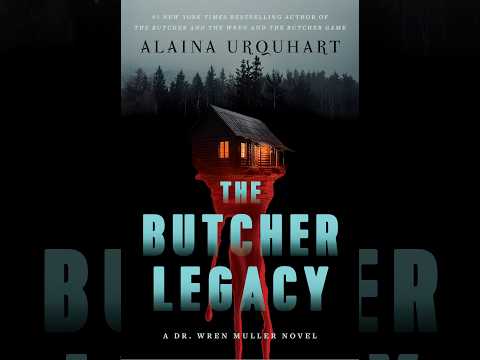
- like, knock me over with a feather. I've been talking about it for months, I think, at this point.
- >> do it, Scarpetta did it. And, by the way, I don't know where she is half the time. She's probably hanging out in your
- world now. >> Honestly, even better. And, giving me permission to kind of >> be with Nicole Kidman, let's be honest.
- >> I have to say >> Who wouldn't? >> I was going to say. >> Well, send her home. Send her home when
- you're finished shooting, please. >> Who wouldn't love to be with Nicole Kidman?
- >> No, no kidding. >> But, I have to ask, was there any point during the beginning of this that you
- felt like this would be your career? Like, you were going to have this legendary career? Was there any moment
- where you were like, "You know what? I think I'm going to be huge." >> When things got really big in the early
- '90s, you know, back in the Stone Age, um, but >> The best time. >> was probably the biggest thing out there
- in the in most of the '90s. >> Yeah. >> And then, J.K. Rowling had the nerve to come along, whenever that was, and I
- mean, who the hell does she think she is, coming along and >> That's a great question.
- >> than me. Um, but anyway, >> stop it. Who the hell does she think she is? >> Only I had called from Potter's Field,
- from Harry Potter's Field. >> Oh, there you go. >> a lot more books. But, anyway,
- I never knew, I never imagined that it would all become so big. But, then I learned another lesson,
- which is not a fun one. I At the time it got so big, I I'd always thought it would stay that way.
- >> Mhm. >> I never knew that you have to keep reinventing yourself. That that things
- come and go, and you go through generations of people who have read something, and maybe now the newer
- generation's not familiar, and I It's It's not that my work hasn't done well, it's that I thought it would always be
- exactly the way it was >> Yeah. >> when it started, when And then, suddenly now you have Then you had CSI came
- along, and all these shows, and, um, other people Lots and lots of people writing books, and it caused me to have
- to pay more attention to what I'm doing, and realize that never Why don't rest on
- my laurels anyway, but but don't ever Oh, yeah. Never never never never think that you've arrived that you don't have
- to try as hard. >> Mhm. That's a great lesson to learn. >> definitely learned that because I could
- see that uh you you have to keep this keep up the same things you've always been doing or it won't work. It will
- stop working after a while. >> Yeah. It's true. And I think the last thing we just wanted to ask you was what
- do you hope most people take away from True Crime a Memoir? >> That there's redemption in life. That
- things can start out badly and they can end up beautifully and that there that you can be given chances that you never
- thought you would get and and that there are so many gifts if you just will look
- and never stop being grateful. >> Yes. >> Love and gratitude. Love and gratitude.
- Don't forget those and don't give up. And failure is not a measure of your worth because if it were I wouldn't be
- talking to you right now. I've had more failures and I've always learned more from them than my successes.
- >> Oh, so true. >> I love that. >> That's perfect. >> And honestly, I think everyone who reads
- that book is going to walk away with all of that cuz I know I did. >> Absolutely. 100%.
- >> Big hugs to you guys. I love you both. Always happy to talk to you. And let's
- do it again soon. >> Yes, we love you. Thank you so much for your time. And also just before you leave, thank
- you so much for letting me mention Scarpetta in The Butcher Legacy. That was huge.
- >> let you do it. You did it. >> Or thank Scarpetta for letting me send along a word.
- >> And by and large, I I pretty much do what she tells me to do. >> I love that. I really appreciate that.
- >> She picked you. What can I say? >> Oh. I'll take it. I will take it. >> Thank you again, Patricia. Thank you so
- much, Patricia. You're the best. Good to see you. >> Great to see you both. >> Wasn't that just the best?
- >> Honestly, every time. >> Every >> Every single >> time. >> I will and I'll never get over talking
- to Patricia Cornwell at all because But, it's just been my entire life that I've been
- reading her books, so we >> got finished with that and I'm like, "No, like stop being so inspiring,
- queen." >> Truly. >> Queen Patricia. >> Queen Patricia. >> Truly queen Patricia.
- >> I realized that we didn't have her say the keep it weird with us. >> I know, we didn't.
- >> all in unison say it together, okay? Guys, we love you. We hope you keep listening.
- >> And we hope you >> keep it weird. >> wasn't it? >> Yeah. >> But, I'm sorry that you didn't join us
- in unison. >> Yeah, and keep it as weird as Patricia. >> I mean, you better because that's a good
- weird. >> Period. >> It is. >> Mhm.
Brief Summary
Patricia Cornwell discusses her memoir, Scarpetta TV series, and shares safety tips related to true crime.
Key points
- Patricia Cornwell Returns. Patricia Cornwell joins the show again, sharing insights and inspiration.
- Jack the Ripper Discussion. Exciting plans to discuss Jack the Ripper with Patricia in the future.
- True Crime: A Memoir. Patricia's new memoir is out soon, filled with captivating stories.
- Empowering Storytelling. Patricia reflects on the power of telling her own story.
- The F and Rich Flag. A cheeky way to fit in with wealthy neighbors by creating a custom flag.
- Gallows Humor in Autopsies. A lighthearted take on the morbid realities of working in a morgue.
Episode highlights
- Patricia Cornwell ReturnsPatricia Cornwell joins the show again, sharing insights and inspiration.“Every time we talk to her, I just end up very inspired.”2:26May 13, 2026
- Jack the Ripper DiscussionExciting plans to discuss Jack the Ripper with Patricia in the future.“We're going to try to get her back for some Jack the Ripper realness.”4:11May 13, 2026
- True Crime: A MemoirPatricia's new memoir is out soon, filled with captivating stories.“It's an amazing memoir. Like truly, truly, truly.”6:46May 13, 2026
- Empowering StorytellingPatricia reflects on the power of telling her own story.“You don't know your real story until you start telling it.”13:13May 13, 2026
- The F and Rich FlagA cheeky way to fit in with wealthy neighbors by creating a custom flag.“It means F and rich, because that's the only reason I could afford to live there.”37:27May 13, 2026
- Gallows Humor in AutopsiesA lighthearted take on the morbid realities of working in a morgue.“You have to have gallows humor to survive down there.”38:41May 13, 2026
- The Privilege of AutopsiesExploring the unique perspective of autopsies as a chance to help others.“It's a privilege that you are given an opportunity to try to reconstruct what happened.”47:35May 13, 2026
- The Stupid Death CertificateA humorous suggestion for a new section on death certificates.“There should be a place on a death certificate that says, was this death stupid?”49:37May 13, 2026