Forensics
What It Takes to Reopen a Cold Case
Cases rarely reopen on one dramatic discovery. Usually it is a small thing that did not exist before.
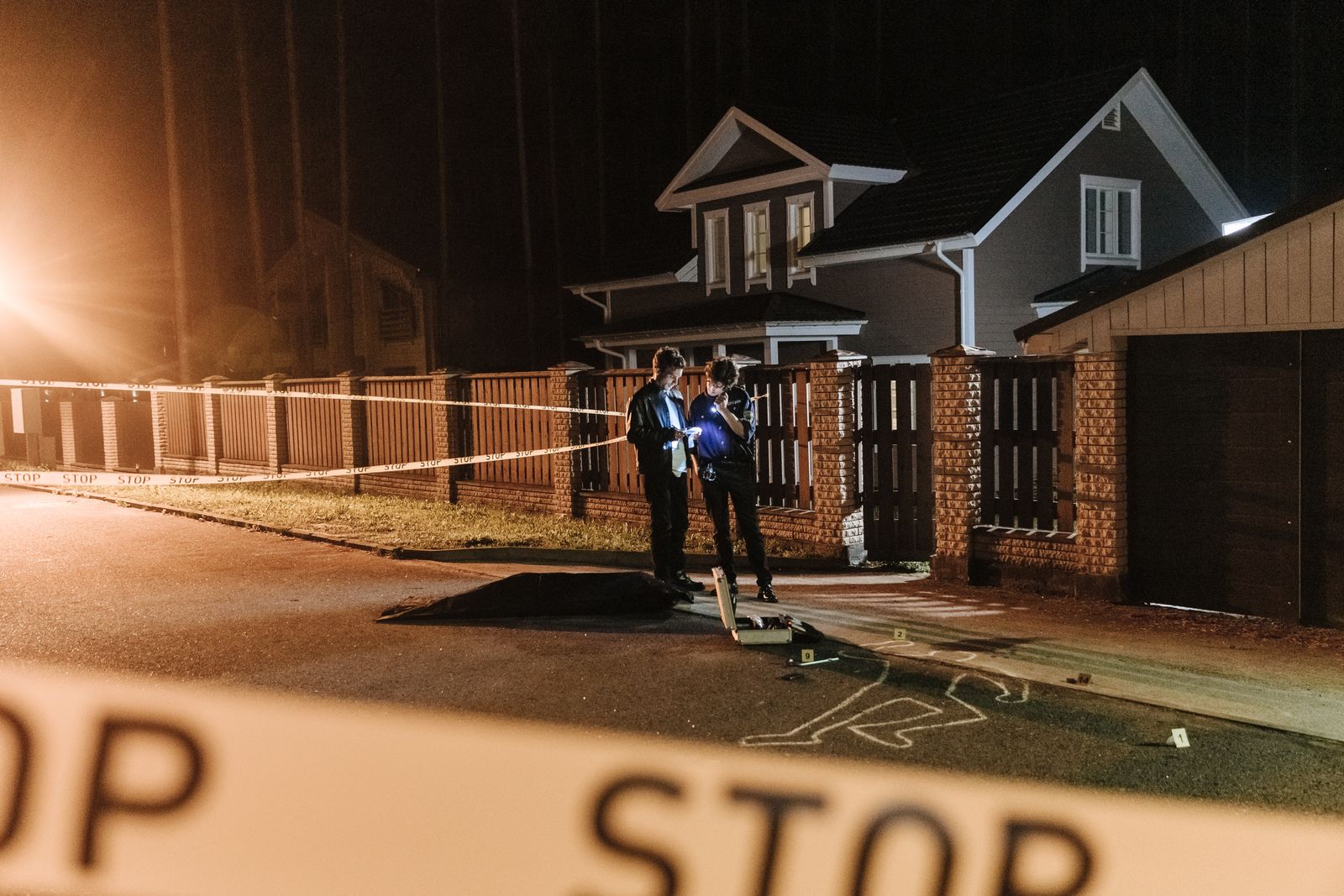
A cold case is not a case the police gave up on by definition. The National Institute of Justice, the research arm of the U.S. Department of Justice, defines a cold case as any case whose probative investigative leads have been exhausted [1]. That phrasing matters, because it sets the bar for reopening. A case does not move again because someone feels strongly about it or because an anniversary draws attention. It moves when a new lead exists, or when an old piece of the file can be made to produce one. Most of the time the reopening starts small, with a single thread that gives investigators somewhere to pull.
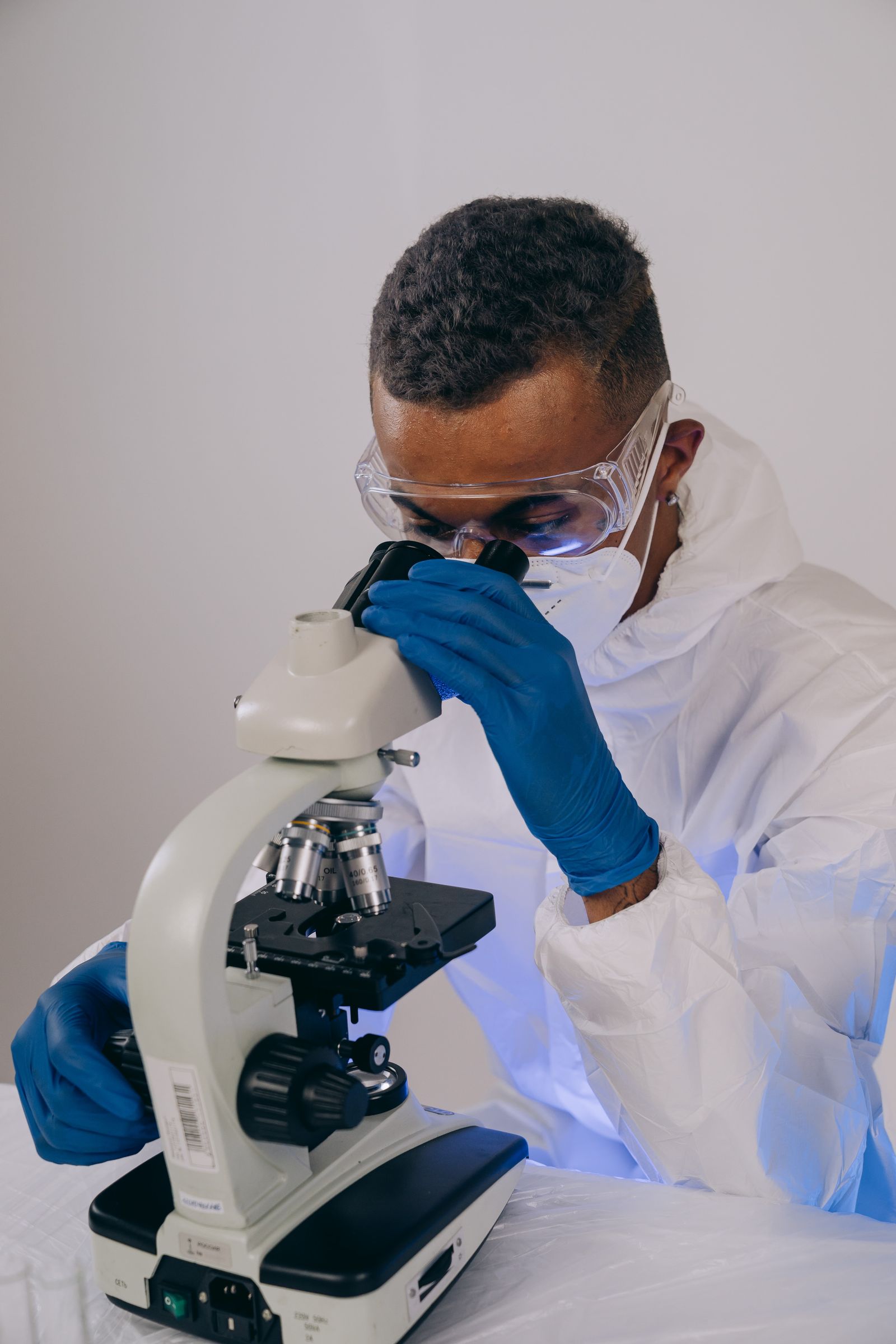
The most common thread is physical evidence that was never tested, or that was tested with methods now out of date. NIJ has noted that biological samples once thought unsuitable for testing have later yielded usable DNA profiles, and that samples which gave inconclusive results under older techniques have been reanalyzed with newer ones such as short tandem repeat analysis and mitochondrial DNA testing [1]. A rape kit that sat in a property room for two decades, a cigarette butt, a swab from a steering wheel: any of these can carry a profile that the lab of 1995 could not read but the lab of today can. Reopening a case often begins with an inventory of what is still in evidence storage and a decision about what is worth sending back to the lab.
Funding shapes which of those samples actually get retested, because lab work and the staff time around it are not free. Since its first solicitation in July 2004, NIJ has run a competitive grant program called Solving Cold Cases with DNA. In 2005 it distributed $14.2 million across 38 agencies, and by 2007 it had granted more than $8 million to another 21 agencies [1]. The money pays for personnel and overtime, laboratory equipment and supplies, investigative travel, training, and outsourcing samples to private DNA labs when a public lab cannot keep up. A small police department with a handful of unsolved homicides usually cannot absorb that cost on its own, which is why a grant award can be the practical event that brings a stack of old files back to a working desk.
When a profile comes out of the lab, the first place it goes is CODIS, the FBI's Combined DNA Index System, which holds profiles from convicted offenders, arrestees in many states, and crime scenes. Under the cold case program, agencies have entered hundreds of probative DNA profiles into CODIS, and a portion of those have matched, resolving cases that had no named suspect for years [1]. A CODIS hit is the cleanest version of a reopening: the database returns a name, and the investigation has a direction it did not have the day before. The match is a lead, not a conviction, so detectives still have to place that person at the scene and build a case a prosecutor will take.
When CODIS comes back empty, some agencies turn to forensic genetic genealogy, the technique that identified the suspect in the Golden State Killer investigation and has since been used in hundreds of cases. Instead of looking for an exact match, analysts upload a crime scene profile to public genealogy databases where people have opted in, find partial matches with distant relatives, and build family trees outward until the work narrows to one person. The Department of Justice put an interim policy around this in 2019. It took effect November 1, 2019, and generally limits the technique to unsolved violent crimes and the identification of suspected homicide victims [2]. The policy also requires that the profile first be run through CODIS without a match, and that no one be arrested on a genealogy association alone: a standard STR DNA test has to confirm the link before the case proceeds [2].
Not every reopening comes from a lab. A name can surface on its own. Someone arrested for an unrelated crime gives a DNA sample on booking, that sample enters CODIS, and it matches evidence from a homicide nobody had connected to them. An old suspect dies and a relative finally talks. A tip comes in after a podcast or a news segment puts the case back in front of the public. Investigators on dedicated cold case units also reopen files the slow way, by rereading the original case file end to end, looking for the witness who was never interviewed, the alibi that was never checked, the lab item that was logged but never submitted. Time can help here. A witness who stayed quiet out of fear or loyalty in 1990 may have no reason to protect anyone thirty years on.
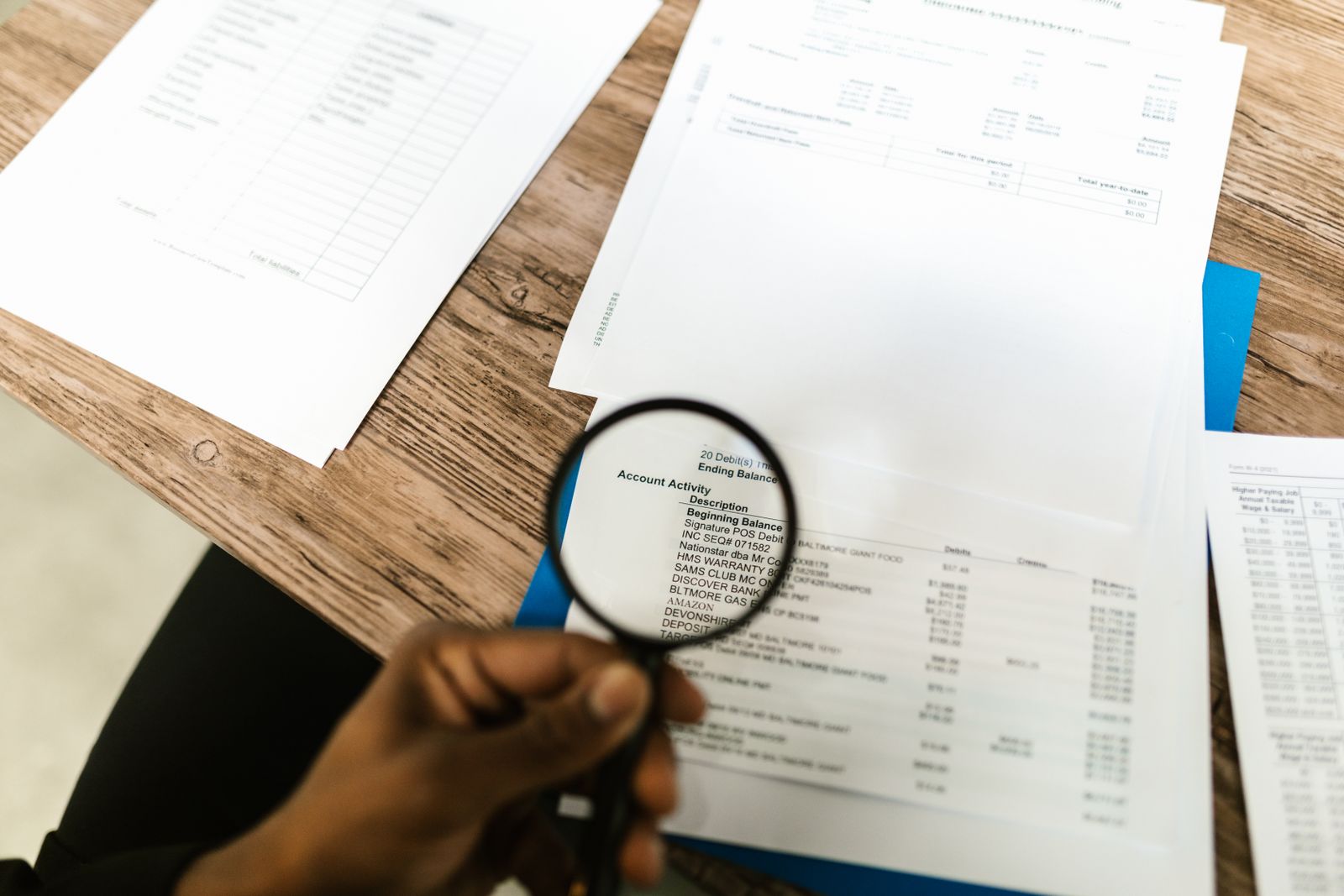
Whether any of this works at scale is partly a question of clearance rates, and the numbers are sobering. The national homicide clearance rate has fallen over the long term, and in 2024 about 61.4 percent of homicides were cleared, up from a record low of around 52 percent in 2022 [3]. A clearance means an arrest and referral for prosecution, or an exceptional clearance such as the offender having died. One detail in how the FBI counts these matters for cold cases. A case is recorded as cleared in the year it is solved, not the year the crime happened, so an arrest made in 2026 for a 1985 killing counts toward the 2026 figure [4]. A department that suddenly clears a batch of old cases can lift its current rate even while recent cases stay open, which means the published numbers do not cleanly separate fresh work from cold case work.
None of these paths is fast, and most reopened cases do not end in an arrest. A reopening is better understood as a sequence of conditions lining up: a piece of evidence still exists and is testable, a method exists that can read it, money exists to pay for the test, a database or a family tree or a witness turns the result into a name, and the rest of the file still supports a prosecutable case. Take away any one of those and the case stays cold. The reason cold case units and programs like NIJ's keep producing results is that each year more old evidence becomes testable and more profiles sit in the databases waiting to match, so cases that were genuinely out of leads can quietly acquire a new one [1].
Sources
- National Institute of Justice, "Cold Cases: Resources for Agencies, Resolution for Families" (cold case definition, Solving Cold Cases with DNA funding history, untested and re-tested evidence, CODIS entries)
- U.S. Department of Justice, "Interim Policy on Forensic Genetic Genealogical DNA Analysis and Searching" (effective November 1, 2019; limits to violent crime/unidentified remains, CODIS-first and STR-confirmation requirements)
- Murder Accountability Project, "More good news for homicide clearance rates in America" (citing FBI data: 61.4% of 2024 homicides cleared, up from ~52% in 2022)
- The Marshall Project, "As Murders Spiked, Police Solved About Half in 2020" (FBI counts a clearance in the year the case is solved, not the year the crime occurred)