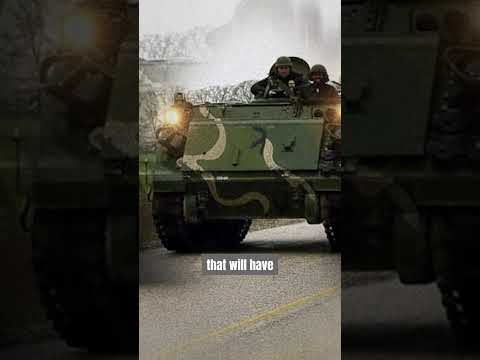
Waco: The Final Standoff (Part 3/3)
Episode Description
[Part 3 of 3] The standoff between the FBI and the Branch Davidians held firm for more than a month, with David Koresh and his followers refusing to surrender. After attempting both negotiation tactics and more aggressive approaches for 51 days, the FBI implements a plan to force the Branch Davidians out, a plan that will have devastating consequences and will change the face of the United States forever.
CREDITS Narration – Anonymous Host Research & writing – Erin Munro Production & music – Mike Migas Audio editing – Anthony Telfer
SOCIAL LINKS
Website https://www.casefilepodcast.com Facebook https://www.facebook.com/casefile Twitter https://twitter.com/case_file Instagram https://www.instagram.com/casefilepodcast Patreon https://www.patreon.com/casefile Casefile Presents https://casefilepresents.com
RESOURCES
Read the full transcriptHide the full transcript
- Our episodes deal with serious and often distressing incidents. If you feel at any time you need support, please
- contact your local crisis center. For suggested phone numbers for confidential support and for a more detailed list of
- content warnings, [music] please see the show notes for this episode on your app
- or on our website. 45-year-old [music] FBI negotiator Byron Sage was mortified. A Vietnam War veteran who [music] had
- been employed by the Federal Bureau of Investigation for almost 25 years, [music]
- he had a wealth of experience when it came to negotiating hostage situations. He'd worked in fugitive, extortion, and
- organized crime investigations and knew how to navigate a crisis. [music] Sage had spent hours trying to coax
- David Koresh and his followers from that compound and had helped put together a surrender plan that looked set to end
- the disastrous siege that had started under the ATF less than 3 days earlier. By the afternoon of Tuesday, March 2,
- 1993, both the Branch Davidians and the FBI negotiators were anticipating a peaceful and imminent resolution with
- David Koresh promising that everyone inside the compound would surrender in exchange for his message being broadcast
- on a national television station. But [music] when Byron Sage called into Mel Carnal just before 6:00 p.m. to find
- out what was taking so long, he was met with some devastating news. >> [music] >> Koresh's right-hand man, Steve
- Schneider, informed Sage that David Koresh had changed his mind. I just talked to them. He's apparently
- going through a lot of anguish and what the guy just went through. I've never seen anything like it before, but he
- wanted me to remind you to read Psalms chapter 2. Then he wanted me to read to you Revelation 18. Steve, but what does
- this Did you ever read the story of Christ when he hung on the cross where he actually perspirations of drops of
- blood because of the anguish? Mhm. Can I just read Revelation 18 to you? Y- Y- just a minute, Steve.
- >> Everything is ready to go right now, but all of a sudden, I mean, he started praying. He gave us his word. I know
- that. [music] I'm aware of that. >> That after the message was played >> but what if there is a higher power than
- you and I that speaks to an individual? What do you do? That's the question. This is why he said, "Be aware of who
- you're dealing with." Just remember that David told the world I understand that.
- >> that he was coming out. >> Can I read Revelation 18 to you? Steve, I wanted to come out. I I I understand
- >> When is he planning to come out? He said his God says that he is to wait. How
- long? How long does he I I Look, I know in this world you don't believe that there is a supernatural power that
- speaks audibly to a person. Is David a man of his word? He always has been. >> What does trust [music] mean to you?
- Exactly what it means to you. >> I got commanders and they are losing trust in me.
- >> [music] >> Steve repeatedly reiterated that Koresh was awaiting further instruction from
- God and that nothing would happen until those instructions arrived. Embarrassed [music] and bitterly
- disappointed, Byron Sage had to return to his commanders with the news that no one would be leaving Mount Carmel that
- night. >> [music] >> The anger the FBI leaders felt about David Koresh's last-minute change of
- mind was reflected in the crackdown that followed. The head of the agency's hostage rescue
- team informed the siege commander, [music] quote, "It's time to teach him a lesson."
- >> [music] >> There was debate amongst the various FBI leaders as to how to proceed from here.
- They didn't all see the situation eye to eye, with different units arguing for different approaches.
- The Hostage Rescue Team, or HRT, was an elite tactical unit trained to take action.
- Their instincts were typically to rush in and get a situation under control. As one HRT member told journalists from
- ABS's Frontline program, "A crime's been committed, and I'm talking murder charges. You've got to do
- something about it. You cannot just let those people sit." The HRT's role would be to surround and
- secure a scene before going in and using force if necessary. This style led to them sometimes being
- called ninjas. At Mount Carmel, they took up multiple positions from all sides, situating
- [music] themselves about 300 yd, or 275 m, from the building. In contrast, the FBI's team of
- negotiators were not working directly at the scene. Their headquarters were in an airplane
- hangar 5 and 1/2 miles away, and their approach was very different from the HRT.
- Focused on building trust with subjects through talk and a steady pace, their goal was to convince the Branch
- Davidians to come out rather than rushing in to take them. They couldn't actually see what was
- going on inside the compound and would rely on reports shared by the Branch Davidians [music] and their colleagues
- instead. Negotiator Gary Nasner was concerned when he overheard Dick Rogers, the head
- of the HRT, telling Siege Commander Jeff Jamar that it was time to teach David Koresh a lesson.
- Rogers wanted to send his team in stating, "My people can get in and secure that
- place in 15 minutes." Gary Nasner argued against this pointing out that Koresh had still been releasing
- women and children overnight. Perhaps he might continue to release more even if he wasn't ready to
- surrender himself. The negotiators felt that storming in with force would undermine [music] the
- delicate level of trust they'd work to build with Koresh and his followers. Ultimately, Siege Commander Jeff Jamar
- sided with the negotiators [music] agreeing it was too soon to send in the HRT. Jamar was acting as special agent in
- charge of operations in accordance with FBI procedure. According to the Bureau's policies, when
- a major event like Waco took place, it would be run by the highest ranking local agent.
- Jeff Jamar was that agent at the nearby office in San Antonio. Although he believed that it was too
- soon to cease negotiations with Koresh, Jamar was also inclined to agree [music]
- with Dick Rogers that the religious leader needed to be taught a lesson. He ordered that some of the Bradley
- armored vehicles [music] that had been set up around the perimeter of Mount Carmel be moved closer to the building.
- This would function as a visible reminder of the FBI's presence and power at the scene.
- To further this image of [music] greater control, the FBI also built fake sniper
- positions, while also having genuine snipers set up at less visible locations. Inside Mount Carmel, some of the Branch
- Davidians were just as disappointed and confused by David Koresh's abrupt change
- of mind as the FBI agents. >> [music] >> There had been an impromptu celebration
- the night before, with members raiding the refrigerator and pouring alcoholic beverages.
- They toasted the impending end to the siege with stale cake and whiskey, and sang songs to celebrate. [music]
- David Koresh hadn't joined in as he'd been confined upstairs with his shooting injury.
- At some point, Steve Schneider had told everyone to stop celebrating, [music] adding,
- "David's mad with you guys. >> [music] >> Why are you letting down the message?"
- When news came late the following day that they wouldn't be leaving after all, some Branch [music] Davidians wondered
- if their sinful behavior the previous night was to blame. David Thibodeau later wrote in his
- memoir that he believed Koresh's explanation that God had told him to wait, as he knew Koresh to be entirely
- sincere in his beliefs. >> [music] >> But David knew that the change of plans would not go down well with the federal
- authorities. >> [music] >> The Branch Davidians noticed when the FBI moved the Bradley tanks [music]
- closer to their home and then used them to crush two outbuildings on the property.
- They also [music] rammed into a station wagon that had been left behind by a journalist from the Waco [music] Tribune
- Herald. These actions were undoubtedly intimidating, [music] and spokespeople inside the compound protested about them
- to negotiators over the phone. >> [music] >> I heard some crunching or something. I
- looked out the window and I see one of your tanks ran over a guard shack. I thought that was pretty cute, Steve
- Schneider [music] said. What now? A negotiator replied in shock. >> [music] >> You're kidding. I know they've been
- ordered not to go in there. The FBI had cut off the Branch [music] Davidians phone lines to all but their
- negotiators. So those inside the compound had no way of contacting the outside world.
- >> [music] >> They wanted to go to the media to share their story, but had no way of doing so.
- >> [music] >> Nor were the media permitted near them. Reporters from across the country and
- even overseas had flocked to Waco after the botched ATF raid led to extensive bloodshed, [music]
- prompting the FBI to set up a designated press area 2 miles from Mount Carmel. It was next to a roadblock in the middle
- of a farm-to-market road. The compound could be glimpsed in the distance, but journalists [music]
- weren't permitted any closer than that. Beginning on Wednesday, March 3, the FBI
- held daily press conferences to update [music] both the media and the public on the siege.
- There wasn't much to report [music] aside from the fact that negotiators were still trying to convince David
- Koresh to surrender without [music] success. Officials repeatedly referred to the
- Branch Davidians as a cult, a word that held loaded significance and [music] called to mind previous tragedies such
- as the Manson family murders in 1969 and the Jonestown Massacre in 1978, covered in episode 60 of [music] Case
- File. Moreover, the Branch Davidians were described as militant religious zealots
- who were dangerous to the public. The Branch Davidians [music] watched and listened to these press conferences via
- their televisions and radios inside Mount Carmel. With little [music] else to go on and
- unable to speak to the subjects of the siege themselves, journalists took to wandering around the city of Waco.
- They chatted to locals to see if anyone [music] had personal anecdotes about the
- so-called cult currently holed up in their compound. >> [music] >> People they spoke to said they found the
- group a bit strange, but not scary. They definitely weren't considered dangerous.
- Occasionally, reporters and photographers tried to sneak closer to Mount Carmel to see what was happening.
- When caught doing so, they were arrested [music] and handcuffed. In one call with negotiators, Steve
- Schneider voiced his distress at the situation, stating, "The press is so far back, you [music]
- guys could come and blow us away and give any story you wanted." As the days went by, the roadside press
- area grew and was dubbed Media City. There were rows and rows of TV trucks lining both sides of the road. Reporters
- set up tents and barbecue grills while they waited for something to happen. Journalist Carlton Stowers later told
- author Jeff Guinn, quote, "All around Mount Carmel, there were so many agents and army guys and
- negotiators and equipment and tanks and everything, [music] that it looked like our government was
- going to war with another country." Soon, members of the public began showing up at a hill just outside Media
- City to join the growing circus. Most were protesters demonstrating solidarity with the Branch Davidians,
- while others saw a business opportunity. They sold t-shirts and homemade souvenirs like coffee cups, baseball
- [music] hats, and postcards emblazoned with anti- or pro-government messages and dark jokes.
- One read, "Mount Carmel erupts, a message from God, the sinful episode." Another read,
- "Hey Vern, weird [ __ ] come out." >> [music] >> The first letter of each of the last
- four words was capitalized to spell out Waco. One individual who showed up in support
- of the Branch Davidians was a 24-year-old Army veteran named Timothy McVeigh, who'd driven over from
- Michigan. >> [music] >> He'd already been angered by the notorious Ruby Ridge standoff less than
- a year earlier and saw the Waco siege as another example of government overreach
- and oppression. [music] Sitting on the hood of his car, McVeigh sold bumper stickers with messages
- [music] such as, "Ban guns, make the streets safe for a government takeover." And, [music]
- "Fear the government that fears your gun." Meanwhile, FBI negotiators continued their efforts with David Koresh.
- Often, [music] their calls with him turned into religious sermons with Koresh preaching for up to an hour at a
- time about God's plan for the end of the world and the unlocking of the seven seals.
- Some of the negotiators took to calling these one-sided conversations Bible babble.
- They interjected and tried to return Koresh's focus to the more practical and immediate matters at hand.
- When pressed as to when he might emerge with his followers, Koresh replied, "I'm dealing with my father now, not
- your [music] systematic, bureaucratic system of government. The negotiators expressed their concerns
- about Koresh's bullet wounds and his general health. Koresh suspected that he'd lost about
- three pints of blood, but was doing all right. He was being [music] treated by one of
- the Branch Davidians who was a nurse. She reported that he was doing well. His temperature was normal and his
- complexion was good. The other Branch Davidians who [music] sustained injuries in the botched raid
- were also doing fine. Despite Koresh's refusal to leave Mount Carmel, he did agree to send out a
- couple more children. A 12-year-old boy left the compound on Wednesday, March 3, and an 11-year-old
- boy followed the next day. By the end of the siege's fifth day, 21 children in total had been released,
- [music] ranging in age from 5 months old to 12 years. Their parents had pinned notes to their
- clothing with instructions about relatives or friends who should be called to take custody of them.
- All of these children were assessed at a local Child Protective Services facility.
- Joyce Sparks, who had previously investigated the Branch Davidians after allegations of child abuse were made,
- noted, "They are in remarkably good psychological condition [music] considering what they've gone through.
- They appear very healthy, uh well-behaved, and well-educated. None of them appear to have been in any
- way abused or neglected." However, >> [music] >> an associate professor of psychology and
- behavioral sciences disagreed somewhat. He would later testify at Congress, quote,
- "They believed that they would all be attacked and that the outsiders would kill everyone in the compound and that
- Koresh would come back and kill the bad guys, uniting everyone in heaven. All of the young girls were being
- prepared to be David's wives. One of the older girls expressed [music] distress now that she had been released
- from the compound that she would not be able to be picked by David as one of his
- brides. On Tuesday, [music] March 9, a week and a half after the siege began, the Texas
- Department of Protective and Regulatory Services [music] officially stripped the
- children's parents of custody rights. To regain custody, [music] they would have to pass state tests.
- >> [music] >> Friday, March 5 began positively with Koresh sending out a 9-year-old girl.
- It seemed that the negotiators were making slow but steady progress. However, concerns arose when authorities
- read the note the girl's mother had pinned to her jacket. It was addressed to the girl's older
- sister and explained that by the time she read the message, the mother would be dead.
- She added that once all of the children were out, the adults would die. This again raised concerns about a
- possible mass suicide. Whenever the FBI queried David Koresh or Steve Schneider about this possibility,
- they reassured them there was no such plan. Koresh's conversations with the FBI sometimes took on a violent tone.
- At one point, he told negotiators that he and his followers had been planning for a confrontation with the government
- since 1985. He threatened to blow the FBI's tanks to pieces. Still trying to build a rapport with
- Koresh, the FBI offered to send in a suture kit so his wounds could be treated, [music]
- as well as photos and videos of the children who'd left the compound to prove they were doing well.
- Koresh accepted this [music] offer. These items were delivered to the bullet-riddled front doors of Mount
- Carmel, along with a video camera so the Branch Davidians could record videos of
- their own. The negotiators hoped that this might provide a decent window into life inside
- the compound. And it did. Steve Schneider filmed the injured Koresh seated on the floor [music] with
- his back pressed against a wall. He wore a white tank top [music] and gray tracksuit pants. His electric
- guitar was propped up next to him, and children could be heard playing [music] in the background.
- Steve began by asking Koresh if there was anything he'd like to say. Koresh responded,
- We just thought we'd kind of break the ice and allow people to see just exactly you know, what kind of people we have
- here. I'd start off first of all with my oldest son. His name is Cyrus. Come sit over here, son.
- Koresh beckoned his 7-year-old [music] son, Cyrus, to sit down next to him. Cyrus had shoulder-length blond hair and
- waved at the camera with a shy smile. One by one, Koresh had other children sit with him.
- He introduced them and encouraged them to share some facts about themselves, sing their ABCs, and say hello to their
- Branch Davidian [music] friends outside. He also asked them questions about their
- love of God. >> [music] >> The FBI negotiators who subsequently received these tapes scoured them for
- intelligence on how everyone inside was doing. They all looked clean, healthy, and
- comfortable enough. Koresh occasionally closed his eyes in apparent discomfort [music] from his
- injuries, but did not appear to be suffering. The FBI knew the Branch Davidians were
- capable of holding up inside the compound for months. For a long time, they'd been stockpiling
- thousands of military-style ready-to-eat meals and canned goods. They also had their own well with an
- electric pump providing a limitless water supply that couldn't be shut off. If the group had everything they needed
- to survive, it was growing increasingly difficult to find a way to draw them out.
- The Branch Davidians remained concerned about the tanks surrounding the property
- and their inability to communicate with the media. The next couple of days continued with
- both Koresh and Steve Schneider [music] spending hours and hours talking with the FBI.
- Steve [music] voiced his concerns that the FBI might kill them all and burn down the entire compound.
- Koresh mostly preached, though he also offered to send out another child if he could speak to Robert Rodriguez, the
- undercover ATF agent who'd infiltrated the Branch Davidians. [music] When this wasn't permitted, Koresh
- reneged on his offer to release anyone else. A week into the siege, the Branch [music] Davidians requested to have milk
- sent in for the children, which the FBI suggested could [music] be traded for more releases.
- Koresh flatly refused to this, stating, [music] "You're dealing with my biological
- children now." None of the children who had been sent out were his, and he wouldn't entertain
- the idea of releasing his own sons or daughters. The FBI delivered the milk anyway.
- The cartons had tiny listening devices implanted into the Styrofoam, so that authorities could listen in on some of
- the conversations inside the compound. >> [music] >> The Branch Davidians were such a
- cohesive group that the FBI was finding it hard to break through. >> [music] >> It wasn't like negotiating with armed
- robbers or terrorists who were holding hostages captive. Instead, it was the FBI against all of
- the residents inside who saw them as the enemy. Although they were speaking with various
- people inside the compound, the two individuals the negotiators spoke to most frequently were Koresh [music]
- and Steve Schneider. They decided to try driving a wedge between the two friends. Perhaps if
- there was a [ __ ] in the armor, it would be easier to achieve their mission. In the early morning hours of Tuesday,
- March 9, [music] FBI negotiators asked Steve Schneider if it was true that his wife, Judy, had a
- child with Koresh and was considered one of his brides. They challenged Steve about this,
- clearly trying to provoke him by asking, "Don't you miss the way it was?" But Steve merely reiterated his loyalty
- to Koresh and replied, >> [music] >> "It's better than it was." With that attempt failing, siege
- commander Jeff Jamar decided they needed to make life inside the compound less bearable. [music]
- At 2:15 a.m. on the 10th day of the siege, they cut off its electricity. In the [music] PBS documentary Waco: The
- Inside Story, Jeff Jamar said, "There's the 10-day rule. Usually these things are over in 10 days.
- >> [music] >> That night, it was going to be 20° and the thought process was, "If we're going
- to be cold in the dark, let them be cold in the dark, too." Negotiators were less enthusiastic about
- this decision, aware that it could set back the delicate negotiations process by days.
- Sure enough, David Koresh [music] refused to come to the phone until the power was restored.
- It was switched [music] back on later that same morning. This was just the beginning of the power
- being switched [music] off and turned back on at the FBI's whim. Inside Mount Carmel, tempers were
- beginning to fray. Those who were injured were suffering even more than the others.
- David Koresh, whose injuries were the worst, was becoming prone to mood swings. Judy Schneider's right forefinger had
- been shot during the ATF raid and by this stage had swollen to twice its usual size.
- She was offered medical assistance by the FBI, [music] but refused to come out. At 3:40 that afternoon, some Branch
- [music] Davidians climbed up to the window of the watchtower upstairs and unfurled a homemade banner outside.
- Written on a bed sheet in large black letters were the words, [music] "God help us. We want the press."
- >> [music] >> Negotiators received some positive news on Friday, March 12, when they learned
- that a Branch Davidian named Kathy Schroeder would be leaving the compound. Kathy had previously sent her children
- out and her husband, Michael, had been killed during a confrontation with the ATF on the day of the botched raid.
- She wanted to be reunited with her surviving family and Koresh was fine with letting her go as he was already
- annoyed with her for smoking after the ATF raid. Kathy later told author Jeff Guinn,
- >> [music] >> "He used my smoking for an excuse for kicking me out. He also told me I'd be a beacon of the
- message to inform the world." Kathy left [music] the compound late that morning with her hands up and was
- interviewed extensively by the FBI. She assured them there were no suicide plans, but added that many other people
- inside did want to leave. They couldn't do so because Koresh had a hold over them.
- The FBI filmed Kathy's emotional reunion with her 3-year-old son and sent the tape into the compound hopeful it might
- inspire others to surrender. >> [music] >> Another Branch Davidian left the same
- day, a 19-year-old Australian man named Oliver Gyarfas. Steve Schneider informed negotiators
- that a few more were planning to leave the next [music] day. But later that night, siege commander
- Jeff Jamar ordered that the compound's electricity be switched off again [music]
- to prove to the Branch Davidians that the FBI controlled their earthly lives, not [music] David Koresh.
- This time, the power wouldn't be turned back on again. David Koresh and Steve Schneider were
- furious. They told the FBI negotiators that turning off the power had been an act of
- bad faith. Privately, the negotiators agreed with them. It seemed highly unlikely that more
- Branch Davidians were going to leave. Steve said that their people were freezing cold.
- He again accused the government of wanting to kill them all and then burn the building down.
- From the negotiators' perspectives, it felt as though whenever they were making incremental progress, the HRT took an
- aggressive approach that undermined their hard work. As far as the HRT was concerned, the
- negotiators themselves seemed to have been taken hostage by the Branch Davidians.
- Their progress seemed painfully slow to the tactical unit, who were accustomed to wrapping things up within a couple of
- days. Described by an analyst who worked with the FBI as testosterone-driven, the HRT agents believed decisive action
- could likely draw the standoff to a close quite swiftly. Frustration grew to such a point that
- one member of the HRT graffitied an outhouse they were using with the words, "Sage is a Davidian." in reference
- [music] to negotiator Byron Sage. Although the power in the compound had been cut off, the phone line remained
- open and the negotiators continued trying different tactics. They had Kathy Schroeder call in to
- speak to her fellow church members. She reassured the Branch Davidians that the FBI was treating her well and hadn't
- charged her with anything. They'd only asked general questions and had been super.
- This didn't have the desired effect with both Koresh and Steve Schneider becoming
- upset with Kathy for not being a spokesperson for them. One of the FBI's hidden microphones
- picked up someone in the compound stating, "Kathy sounds like she's becoming one of
- them." After that, the FBI established a modified strategy. The negotiators would remain friendly
- and courteous, but would take a firmer approach. They would continue to discuss finding a
- way to a peaceful resolution with the Branch Davidians, but would no longer listen to any more Bible babble.
- On Monday, March 15, Koresh's two right-hand men, Steve Schneider and Wayne Martin, agreed to meet with
- negotiator Byron Sage and the McLennan County Sheriff in person. The four met on the grounds of Mount
- Carmel, about 20 yards from the front doors. All were putting themselves in a dangerous situation.
- Byron Sage [music] was terrified that someone from inside the compound might seize the moment to fire on him or the
- sheriff. Meanwhile, some members of the HRT were fighting the urge to grab Steve and
- Wayne and arrest them as they stood there unarmed. Their instincts to jump into action were
- only assuaged by directions from FBI leadership to leave the men alone. Byron Sage spoke mostly to Steve, who
- was calm and made strong eye contact. Wayne Martin seemed nervous, dressed in a three-piece suit and fidgeting.
- Sage looked Steve directly in the eyes and reassured him that he would give his life to protect two documents,
- >> [music] >> the US Constitution and the Bible. That was why he was meeting with them to
- come to a peaceful resolution. Steve responded positively to this, telling Sage that he believed him
- completely and would do all that he could to conclude the siege. Though he and Wayne repeatedly made it
- clear that Koresh would always have the final say. Steve Schneider and Byron Sage [music]
- agreed to meet again the following day. When Steve went back into the compound, he told Koresh how much he liked and
- trusted Sage. That night, Jeff Jamar ordered combat engineer vehicles to clear everything
- within 50 yards of the Mount Carmel building. They crushed cars that belonged to
- Branch Davidians and were parked around the property. This would prevent any Branch Davidians
- from using the vehicles as cover if they decided to run out of the building guns
- blazing. This was perceived as a hostile act and [music] again inflamed tempers inside
- Mount Carmel. Steve Schneider refused to meet with negotiators again the following day and
- he and Koresh argued with Byron Sage over the phone. "Are you going to kill me?" Koresh
- asked. >> [music] >> "No." Sage replied before the call ended abruptly. Deciding they needed to speak to all
- Branch Davidians more directly, the negotiators began broadcasting messages over a loudspeaker system the FBI had
- set up outside the compound. >> [music] >> This would allow everyone inside the compound to hear them.
- They broadcast tapes recorded by Branch Davidians who had left the siege. These upbeat recordings featured
- positive messages about their interactions with law enforcement. >> [music] >> The negotiators also arranged for a
- package full of documents to be dropped off at the compound including letters from attorneys willing to represent
- Koresh and others, a letter from the Christian Broadcasting Network, and an audiotape from a theologian who had
- listened to Koresh's sermons. These tactics seemed to work with Koresh saying that more people would soon be
- coming out and they would eventually be followed by everyone else. Over the next few days, nine adults left
- the compound, including Sheila Martin, the wife of Wayne Martin. Sheila was allowed to call her husband
- in the compound, telling [music] him, "Everything went well. The ride was bumpy."
- Wayne gave a reply that the FBI considered cryptic. "It [music] could be bumpy later, too."
- The negotiators were encouraged by the steady [music] stream of surrenders. They urged Steve to send out more
- people, >> [music] >> but he said he couldn't as Koresh was sleeping and had to be consulted before
- anyone else could leave. However, everything seemed to indicate that everyone would be out soon.
- >> [music] >> At around the same time, chief negotiator Gary Nesner learned of a plan
- that would take the standoff into a whole new phase. >> [music] >> FBI special agent in charge Dick Shwine
- had recently arrived from the Texas city of El Paso to assist Jeff Jamar and other leaders.
- SAC Dick Shwine wore a dark blue SWAT-style uniform, where the other SACs typically wore civilian clothing.
- Chief negotiator Gary Nesner would later describe SAC Shwine as, "A caricature of the gung-ho type.
- He seemed surprisingly cavalier and flippant about the process. Once I heard him say in passing,
- 'No use trying to talk to these bastards. We've just got to go in there and cut their balls off.'"
- On the same day that Steve Schneider said he had to wait for Koresh to wake before releasing any more people, Gary
- Nesner learned of a plan SAC Shwine had proposed. He wanted to use the loudspeakers to
- broadcast music into the compound. According to Nesna, this was an idea that SAC Schwein had gotten from his
- time serving in the US Army. During the invasion of Panama, American soldiers had tormented military dictator
- General Manuel Noriega with loud recordings in an effort to force him out of hiding.
- Gary Nesna discouraged Jeff Jamar from implementing such a plan. He pointed out that music was not a
- recommended negotiation tactic and was not something taught by the FBI. They were just starting to make real
- progress with the Branch Davidians, and this approach would likely derail that. Plus, the loud music tactic hadn't
- actually worked in Panama. Jeff Jamar assured Nesna that he would speak to SAC Schwein that evening when
- he came on duty and make sure the tapes weren't played. In his memoir, Stalling for Time, Nesna
- describes how he headed back to the motel where he was staying close to midnight, exhausted but reassured that
- things were working out. After taking a shower, he turned on the television. Quote,
- "There on the news, covered live, was the Davidian compound, brightly illuminated with [music] torturous
- sounds blaring over speakers. The HRT blasted various songs, including Nancy Sinatra's These Boots Are Made for
- Walking, across Mount Carmel, along with some deep Tibetan chants. At the same time, [music]
- bright floodlights were beamed across the property into the building's windows, making it impossible for people
- inside to sleep. Embarrassed on behalf of the FBI and furious [music] that his advice had been
- ignored, Gary Nessner called the command post to speak to Jeff Jamar only to find
- he'd left for the evening. At 11:35 p.m., Steve Schneider passed on an angry message from David Koresh.
- "Because of the loud music, nobody is coming out." The music eventually stopped, but only
- because the loudspeaker system malfunctioned. Gary Nessner raised the matter with the
- Jeff Jamar first thing in the morning. Jamar explained that he'd forgotten to tell SAC Schwein not to play the tapes,
- but promised that it wouldn't happen again. That night, the tapes were played again.
- Included alongside the music and chanting were the sounds of rabbits screaming as they died, recordings
- typically used by hunters to attract coyotes. There were also screaming seagulls,
- crying babies, buzzing drills, droning bagpipes, and other sounds selected for their abrasiveness.
- Gary Nessner again tried to put a stop to this tactic, but Jeff Jamar seemed unbothered, telling Nessner that Schwein
- had nothing better to do on the night shift. David Koresh and his band fought back
- against the ongoing intrusion by setting up their own generator-powered amps and
- playing loud rock songs for hours in the direction of the FBI. The Branch Davidian speakers [music]
- were so powerful that agents had to shout at one another to be heard. Gary Nessner, Byron Sage, and the other
- negotiators tried to explain to the Branch Davidians [music] that the tactical team was to blame for the
- ongoing harassment, but the damage was done. People inside the compound were exhausted and sleep-deprived. [music]
- Steve also told the negotiators that the agents who were standing guard around the compound were harassing them in
- other ways by mooning them and flipping them off. If Branch Davidians walked outside to
- stand in the courtyard or other external areas, FBI agents would toss flash bangs
- in their direction. This perceived hostility meant that no one inside Mount Carmel had any
- intention of surrendering. Byron Sage suspected that even if some of the Branch Davidians were desperate
- to leave, [music] their loyalty to David Koresh prevented them from doing so. Koresh was clearly a highly charismatic
- individual. His exceptional knowledge of the Bible and his interpretations of scripture had
- won many people over and they wholeheartedly believed in his teachings. Their loyalty was clearly evident in the
- way that followers had submitted to Koresh's insistence that other men in the group be celibate and all women be
- his spiritual wives. Koresh repeatedly said that his people were free to leave at any time, but Sage
- knew that before anyone inside the compound could do so, they had to complete an exit interview with Koresh.
- He always made sure to tell them that they could do as they pleased, but it would mean leaving their external
- salvation behind and giving themselves over to Babylon. On the evening of Monday, March 22, the
- FBI delivered another offer to David Koresh in writing. If everyone inside the compound was out
- by noon the following day, it said, Koresh could make a worldwide broadcast on the Christian Broadcasting Network
- [music] and would be permitted to maintain contact following his arrest. He could even continue holding religious
- services. Koresh responded by telling the negotiators that he had thrown the letter away.
- Just after 10:00 a.m. the next morning, a 34-year-old British Branch Davidian named Livingston Fagan was sent out of
- the compound by Koresh to provide a counterpoint to the agency's narratives about the group.
- But before he could attempt to address the media, Livingston was arrested and taken to a local jail.
- Late that [music] night, the FBI continued their strategy of blasting high-powered beams into the compound
- while simultaneously broadcasting Tibetan chants, Christmas carols, [music] and recordings of previous negotiations.
- This proved to just as ineffective as before. Chief negotiator Gary Noesner continued
- to voice his displeasure at this approach, and on Wednesday, March 24, he was removed from his role.
- It would later emerge that the HRT leader had complained that Noesner was impeding the tactical team's more
- aggressive efforts. In his memoir, Stalling for Time, Noesner later wrote, "The real story was that with the FBI
- seemingly helpless to compel the Davidians to surrender, siege commander Jeff Jamar was feeling the heat.
- The entire nation was watching, and the FBI was spending about $128,000 a day. Venting my frustrations more strongly
- than before, I told him that I didn't think we would [music] get anyone else out after these recent actions.
- He appeared unconcerned. I realized then that he had already determined what he was going to do."
- Gary Noesner was replaced by Clinton Van Zandt, a former member of the negotiation unit.
- Noesner was concerned by this choice, knowing that Van Zandt was a vocal born-again Christian.
- Noesner worried that this would lead to Van Zandt getting into arguments with Koresh about biblical scripture.
- Sure enough, this concern proved warranted, with Van Zandt spending hours on the phone with Koresh trying to
- persuade him that his interpretation of the Bible was wrong. Various negotiators on the team later
- confided in Noesner that they had been frustrated by this approach. After Noesner's exit, there were
- repeated attempts at negotiations and long conversations between Branch Davidians and FBI negotiators, all to no
- avail. Progress had completely stalled. Morale inside the compound was low. By this point, they'd been without
- electricity for weeks, relying on Coleman lanterns, kerosene, and propane for light and heat.
- Their water supplies were depleting due to some of the outdoor receptacles having been shot at during the ATF raid.
- Branch Davidians limited themselves to one or two 8-oz drinks per day, essentially one or two cups of water.
- [music] People were no longer bathing, and sanitary conditions were deteriorating.
- Buckets were used instead of flushing toilets. Food had to be rationed, with everyone
- receiving two ready-to-eat meals per day. Branch Davidian David Thibodeau later wrote,
- "The pre-packaged rations of spaghetti and meatballs or tuna casserole taste like mud when eaten cold, slime when
- warmed over our lanterns. We freeze in the chilly winter prairie wind that rattles our broken windows and
- whistles through the building's thin sheetrock walls. >> [music] >> Contact with the outside world had been
- almost entirely cut off with all messages relayed or filtered through the FBI. [music]
- Branch dividians expressed to their frustration by hanging more homemade banners out of their windows [music]
- with messages like FBI broke negotiation, we want press, and [music] Rodney King, we understand. A reference
- to the African-American man whose brutal beating by police led to the LA riots 2
- years earlier. There were supporters and sympathizers trying to make contact with them.
- Jay Gallop Arnold and James Tabor, [music] two biblical scholars who'd been following the case since the botched ATF
- raid on February 28th, traveled to Waco to offer the FBI assistance in communicating with the Branch dividians.
- They understood Koresh's preaching about the seven seals and realized that he was
- a true believer, >> [music] >> not a con artist as many in law enforcement seemed to believe.
- His faith and that of his followers had to be taken into account when speaking to them.
- But when they tried to convey this to the FBI, [music] Arnold and Tabor were turned away.
- They kept trying over the ensuing days [music] and weeks and both were subsequently interviewed about the
- ongoing siege by a Dallas radio station. They critiqued [music] media coverage that had depicted Koresh as just kind of
- a crazy man who rambles, pointing out that he knew the Bible well and his teachings [music]
- were a logical way of interpreting it. The two scholars worried that the longer the siege [music] dragged on, the higher
- the likelihood that it would end tragically. As far as they were concerned, the government's actions were only serving
- to reinforce the Branch Davidians' apocalyptic belief system. The ATF, and now the FBI, had created a
- situation that would look to them like persecution from external forces in a kind of holy war.
- The scholars made a particular point of addressing Koresh's teachings about the seven seals, which they identified as
- being particularly important. Koresh's preaching over the previous weeks had made it clear that he believed
- the fifth [music] seal had been opened when the ATF had attempted to raid his compound.
- He had phoned a radio station on the night of February 28th and [music] told the station manager, "We are now in the
- fifth seal." The station manager hadn't understood what he'd meant, [music] but Arnold and Tabor knew exactly what
- it signified. In the Book of Revelation, when the fifth seal is opened, its writer John
- sees the souls of martyred Christians who were persecuted and killed due to their loyalty to God.
- The souls cry out, asking how long it will be until justice is done. [music] God tells them to wait a little longer
- until more of God's plan unfolds. Koresh, however, interpreted the fifth seal as pertaining specifically to his
- followers. The Christians crying out were the Branch Davidians killed during the ATF
- raid, and now [music] they were in their waiting season, pausing until God revealed what the next
- step was. From Koresh's perspective, [music] surrendering early would mean disobeying
- God. Arnold and Tabor addressed the fifth seal at length in their second radio interview, encouraging Koresh to wait as
- long as he needed, while pointing out that he didn't have to remain at Mount Carmel to do so.
- Paul, the most famous of Jesus' apostles, had continued his ministry after being imprisoned.
- Koresh could surrender peacefully, and it wouldn't mean he was betraying God. It might actually expand his influence
- and audience. They cited a passage in Revelation that instructed its narrator to prophesy
- [music] again before many peoples and nations, something Koresh couldn't do as long as
- he was holed up inside his compound. As they didn't know whether or not Koresh and his followers would have
- heard the radio interview, Arnold and Tabor obtained a taped copy of it and began thinking of a way to send it in to
- Mount Carmel. Another person eager to make contact with Koresh was an attorney retained by
- Koresh's mother 10 days into the siege. Dick DeGuerin was a renowned Texas criminal defense lawyer who would go on
- to defend some of the state's most infamous cases. DeGuerin drove with Koresh's mother to
- Waco and attempted to enter Mount Carmel, but was blocked at a checkpoint. [music]
- After petitioning both the courts and the FBI, DeGuerin was finally permitted to visit Koresh on Monday, March 29,
- >> [music] >> just over a month into the siege. He rode up to the compound in an armored
- Bradley vehicle driven by an FBI agent. They stopped about 100 yards from the building's entrance, and DeGuerin walked
- to the front door, where he was met by Steve Schneider and Wayne Martin. David Koresh emerged from behind them,
- bandaged and walking slowly. Koresh told DeGuerin his version of events about what unfolded on February
- 28th, and DeGuerin reassured him that if the ATF used excessive force without provocation and the Branch [music]
- Davidians fought back, quote, "That's self-defense. Texas law is really clear on that."
- DeGuerin took a look around the rest of the building and spoke with other Branch
- Davidians. [music] He noticed a strong smell of sewage as well as garlic, which the injured group
- members were using to treat their wounds. >> [music] >> DeGuerin stayed for 2 hours and returned
- several more times over the next few days [music] to meet with his client. When the media reported that DeGuerin
- was representing Koresh, Jay Philip Arnold and James Tabor, the two biblical scholars eager to share their message
- with Koresh, decided to reach out to him. They managed to get the tape to DeGuerin, who agreed to take it to the
- Branch Davidians compound. On Sunday, April 4, Koresh and his followers sat in the dining hall as
- DeGuerin played the tape aloud. The room was silent as everybody listened. Although they didn't believe the
- scholars were as knowledgeable as David Koresh, they were positive about their message and felt a new sense of hope.
- Koresh did as well, wondering if perhaps this recording was the message from God
- he'd been waiting for. >> [music] >> He couldn't provide specifics just yet, but he informed his lawyer that he and
- all of his followers would surrender after Passover, an 8-day Jewish holiday that the Branch Davidians observed.
- [music] In 1993, it began on the following day of Monday, April 4, [music] and concluded a week later on Tuesday, April
- 13. It seemed like the siege might finally be drawing to a close. The next couple of days saw little
- communication from those within the compound. Outside, the FBI continued to make noise
- as they played loud music and unpleasant sounds over the loudspeakers. They refused to stop, even when Steve
- Schneider called and threatened to cut off communication permanently. On Tuesday, April 6, Steve also
- clarified that the Branch Davidians dates for Passover were slightly different to those typically observed.
- They would begin Passover that day at sundown and observe it for the next 7 days.
- >> [music] >> When the FBI asked if that meant they'd be coming out on the eighth day, Steve
- Schneider said, "No." Koresh was still waiting for God to tell him a date. >> [music]
- >> They had said they'd leave after Passover, not immediately after. >> [music] >> David Koresh confirmed these dates the
- next day, [music] and when asked if he would come out after that, he didn't answer, instead embarking on a long
- religious sermon. The negotiators [music] phoned the compound repeatedly over the next few
- days, but most of their calls went unanswered. On Friday, [music] April 9, Steve Schneider sent something
- out of the compound for FBI negotiators to read. It was a letter dictated by David Koresh
- to Steve's wife, Judy, who'd typed it up [music] despite her injured hand. It opened with the words,
- "Friends, I offer to you my wisdom. I offer to you my sealed secrets. How dare you turn away from my [music]
- invitations of mercy? I know your sins and iniquities. None are hid from me. When will you ever fear and be wise?
- Your only savior is my truth. My truth is the seven seals." >> [music] >> It had been written from the perspective
- of God, as though Koresh had channeled the letter from a higher source. The letter ended by advising,
- "Learn from David my seals, or as you have said, bear the consequences. I forewarn you, the Lake Waco area of
- Old Mount Carmel will be terribly shaken. >> [music] >> The waters of the lake will be emptied
- through the broken dam. The heavens are calling you to judgment. Please [music] consider these tokens of
- grave concern. Yahweh Koresh." The FBI [music] interpreted this final paragraph as threatening to blow up the
- Lake Waco dam, >> [music] >> though it was unclear how he would do this while holed up in Mount Carmel.
- Two more letters were sent out the next day, >> [music] >> riddled with scriptural passages and
- more prophecies. >> [music] >> On the night of Tuesday, April 13, Dick DeGuerin decided to call into the
- compound. As Koresh's lawyer, he could circumvent the blocks other outsiders faced.
- [music] The Branch Davidians Passover was concluding the following day, and DeGuerin wanted to see what Koresh was
- thinking. Would he be coming out soon as everybody hoped? Steve Schneider told DeGuerin that
- Koresh couldn't come to [music] the phone as he was writing another letter. It was sent out the next day and was
- addressed to DeGuerin. [music] It read, "Hello, Dick. As far as our progress is concerned,
- here is where we stand. I have related two messages from God to the FBI, one of which concerns present [music]
- danger to people here in Waco. I was shown a fault line running through the Lake Waco area.
- >> [music] >> An angel is standing in charge of this event. Many people here in Waco know that we
- are a good people and yet they have shown [music] the same resentful spirit of indifference to our warnings of love.
- I am presently being permitted to document in structured form the [music] decoded messages of the seven seals.
- Upon the completion of this task, I will be freed [music] from my waiting period.
- I hope to finish this as [music] soon as possible and to stand before man to answer any and all questions regarding
- my actions. Koresh went on at some length sharing his desire for people to be saved and
- describing [music] what he saw as his destiny to share the truth. He concluded the letter by again
- prophesizing that an earthquake [music] would hit Waco and shake some sense into
- the people before adding what he planned [music] to do with his finished manuscript.
- Quote, "I will demand that the first [music] manuscript of the seals be given to you.
- Many scholars and religious leaders will wish to have copies for examination. [music]
- I will keep a copy with me. As soon as I can see that people like a Jim Tabor and Phil Arnold have a copy, I
- will come out and then you can do your thing [music] with this beast. We are standing on the threshold of
- great advance. The seven seals in written form are the most sacred information [music] ever.
- Koresh speculated that it would take him about one or two days to write about each of the seals, adding up to two
- weeks [music] maximum until he was finished. After they were done, he and everyone
- else would definitely surrender >> [music] >> and Koresh would be willingly taken into
- custody at the county jail. >> [music] >> As word spread through the compound that
- they would finally be leaving within the next two weeks, [music] the mood lifted considerably and people
- felt a renewed sense of hope. >> [music] >> They removed the previous banners that
- they'd hung outside the windows and replaced them with new ones that had more positive messages.
- We come to love, not war and let's have a beer when this is over. While many of them accepted that they
- would be incarcerated upon leaving, at least that they'd no longer [music] have to ration food or go without showers.
- They also knew how significant it was that David Koresh was writing a manuscript.
- Although he was an adept preacher, he'd never written his teachings [music] down
- aside from notes he'd scribbled in his Bible. He had long said his message could
- [music] not and should not be written down until God gave permission. It seemed the long-awaited moment had
- finally come. Koresh dictated to Steve [music] Schneider who recorded him while also
- editing Koresh's words for grammatical [music] errors. Then two other Branch Davidians typed up
- Steve's transcription on a computer powered by their ever-depleting generator. Progress was going well, and everyone
- was optimistic. By the end of Friday, April 16, [music] Koresh had finished writing about the
- first seal. His anticipated schedule was on track. >> [music] >> On the outside, FBI leaders were having
- their own conversations. As far as they were concerned, Koresh had proved that he wasn't to be trusted
- on Tuesday, March 2, when he reneged on their surrender agreement. From their perspective, he had been
- intransigent and avoidant ever since. [music] He often avoided speaking to negotiators
- for days at a time, and [music] wouldn't listen when they finally got a hold of him.
- He'd agreed to come out after Passover, and now he was talking about a manuscript.
- They suspected this was just another delay tactic, even though Steve [music] Schneider was offering to send out
- recordings of Koresh's progress. The siege had been dragging on for 48 days, and everyone was over it.
- While law enforcement officers assigned to the standoff weren't as confined or deprived as the Branch Davidians,
- [music] they were struggling, too. They were living in motels, away from their families, and subsisting on fast
- food like pizza. The days were long, with 12-hour shifts that were often extremely [music]
- boring. The HRT agents were especially restless. [music] They were often tasked with delivering
- goods like milk and medical supplies to Mount Carmel, going right up to the doors where four other federal agents
- had been killed. Knowing the occupants inside were armed and responsible for their deaths
- agitated them further. Because they were used to charging in rather than holding back, the HRT had
- actually submitted a proposed action plan to FBI headquarters in Washington, D.C. more than a month earlier on
- Wednesday, March 10. [music] They had suggested that they surround the compound with armored tanks under
- cover of darkness, then demand the surrender of occupants, and [music] if necessary, employ non-lethal tear gas to
- force the Branch Davidians out. >> [music] >> The negotiators advised against using
- tear gas to clear the compound unless the Branch Davidians [music] continued to resist all efforts to negotiate.
- Because people had continued to surrender over the ensuing weeks and gradual progress was seemingly [music]
- being made, the tear gas proposal was shelved. By April, however, it was back [music]
- on the table. Siege Commander Jeff Jamar wanted stronger action taken, and negotiator
- Byron Sage also signed off on a proposal to use tear gas. The siege was just a dragging on too
- long, and a child hadn't been released since one week in. In order for tear gas to be used, the
- U.S. Attorney General would have to agree as the nation's chief law enforcement officer and head of the
- Department of Justice. [music] Janet Reno was the newly appointed Attorney General,
- >> [music] >> having only been sworn in on March 12 after being nominated by the recently
- elected President Bill Clinton. Reno had worked as a prosecutor in Florida, where she developed a
- reputation for being a staunch advocate for children's rights. There were 62 adults and more than 20
- children still holed up inside Mount Carmel, and the thought of releasing tear gas into a building with so many
- children did not sit well with Reno. What if the [music] Branch Davidians took to using their kids as shields in
- the face of such an action? Reno also worried that the gas might permanently damage the children.
- On Monday, April 12, she rejected the plan, finding it too aggressive. But the FBI persisted, pushing back
- against her decision by claiming the Branch Davidians had enough water to hold out indefinitely, and a tactical
- response was necessary. Reno was assured in a 78-page briefing book that the gas was safe.
- Quote, "Experience with the effects on children, including infants, has been extensively investigated.
- Available reports indicate that even in high concentrations or in closed areas, long-term complications are extremely
- rare." If there was any indication that Branch Davidians were using children as human
- shields, the FBI would back off immediately. An FBI agent also told her that children
- were currently being abused within the compound. >> [music] >> There was no evidence that children were
- being physically or sexually abused during [music] the standoff, though historical evidence indicated girls had
- been sexually abused by David Koresh, >> [music] >> and corporal punishment was used when
- children misbehaved. Finally, [music] the FBI Director, William Sessions, called Janet Reno and asked her to
- reconsider. She did. On Saturday, April 17, Reno gave her approval [music] for the tear gas to be
- used, directing that it be put into effect on Monday, April 19. >> [music] >> The gas the FBI proposed to using was a
- white powder called two-chlorobenzalmalononitrile, more commonly known as CS gas.
- It would be mixed [music] with a solvent and delivered via armored vehicles, which would breach the compound's walls
- and inject the gas inside. While CS gas is considered less than lethal, contact with it results in eye,
- skin, and respiratory irritation with coughing fits lasting up to 20 minutes. If used in confined spaces at close
- range and against people with underlying health conditions, it can kill. Some studies have indicated that large
- amounts of CS gas can be combustible. As the FBI didn't intend to use an excessive amount of gas, they didn't
- anticipate any overly severe results. Over 48 hours, they would gradually increase the levels being inserted into
- the compound until those inside were compelled to leave. That was plan A. If the Branch Davidians responded to the
- gas by arming themselves and shooting at the FBI, they would implement plan B, saturating the building with CS to force
- an immediate exit. >> [music] >> The FBI felt confident that wouldn't happen, however.
- Their large tanks would provide protection and would surely be too intimidating to fire at.
- At 1:53 p.m. on Sunday, April 18, the FBI sent in armored vehicles [music] to clear the remaining Branch Davidian cars
- from Mount Carmel to prepare the area for the following day's operation. One of the vehicles removed was David
- Koresh's [music] own Chevrolet Camaro. This prompted Koresh pause his work on his manuscript
- >> [music] >> and call the negotiator team to complain. Branch Davidians gathered in the
- compound's windows [music] to look out as the tanks did their work. Some held up children.
- >> [music] >> One HRT sniper noticed the cardboard sign that had been propped up in one of
- the windows. It read, >> [music] >> "Flames await." At 5:59 a.m. on Monday, April 19, just
- [music] as dawn was breaking, Branch Davidian David Thibodeau was woken by the shrill ringing of the telephone.
- He answered it, and an FBI agent on the other end demanded to speak to Steve Schneider.
- David went to wake Steve, but as he was doing so, another Branch Davidian alerted them that something was going on
- outside. They went to a window and saw a formation of large demolition tanks had
- formed a ring around the compound in the gray early morning light. At the same time, negotiator Byron Sage
- announced over the FBI's loudspeakers, "The siege is over. We're going to put tear gas into the
- building. David and Steven, lead your people out of there." At 6:02 a.m., two [music] of the tanks
- approached the compound's windows and injected CS gas via spray nozzles that had been attached to their booms.
- The Branch Davidians stared at one another in shock as Byron Sage's voice continued to echo,
- "This is not an assault. The tear gas is harmless, but it will make your environment uninhabitable.
- Eventually, it will soak into your food and clothing. You are under arrest. Come out with your hands up."
- Steve Schneider instructed the others to grab their gas masks, which they had purchased in bulk at a gun show.
- David Thibodeau ran from room to room waking people and raising the alarm. The scene was soon chaotic with
- individuals bumping into each other as they dashed about and [music] children crying.
- Many of the women and children headed towards a tunnel that led to an old school bus half buried in the ground.
- But the opening minutes of the assault had not to loose debris blocking their path.
- They turned around [music] and made their way to a concrete walk-in cooler at the base of the residential tower,
- once used as a pantry, >> [music] >> but now the compound's gun room. As all of the gas masks were designed
- for adults, none fit the children. The women dipped rags and towels into buckets of water and to use to them to
- cover their children's faces. [music] Byron Sage could still be heard over the loudspeakers repeating the words,
- "Come out with your hands up. There will be no shooting. This is not an assault."
- Outside, the FBI heard metallic clinking sounds emanating from listening devices
- they'd smuggled into the compound. This led them to believe that the Branch Davidians were arming up.
- At 6:04 a.m., 2 minutes after the tear gas [music] was inserted, gunshots came from the direction of the compound
- firing at the FBI's tanks. Byron [music] Sage later said that the tank positioned by the compound's front
- doors looked as though it was lit up with sparklers due to the rounds [music] bouncing off it.
- This led to an immediate abandonment of the agency's plan [music] A and a switch
- to plan B. The FBI was now authorized to [music] flood the entire building with gas.
- >> David Thibodeau was [music] still racing through the building, checking the women's quarters for anyone who might
- not have heard the message, when he heard an enormous crashing sound reverberate through the building.
- Two tanks had driven up to the dormitory side of the compound, and their steel claws were being used to tear chunks out
- of the wall. The flimsy building shook violently, and David [music] saw a powdery cloud billow
- inside, accompanied by a hissing sound. Small [music] gas canisters were simultaneously lobbed through the
- windows, shattering the glass and adding [music] to the fumes. One canister hit a Branch Davidian
- directly in the head, causing [music] him to drop unconscious to the floor. Protected by his gas mask, [music] David
- Thibodeau ran towards the building's chapel, where some people had taken shelter.
- Describing the mask [music] as feeling like a hand squeezing your face, he had to resist the urge to tear it off.
- He saw at least one person without a mask who had tears [music] streaming down his face and was almost screaming
- in agony. Those hiding in the chapel soon found their refuge targeted, [music] as a tank knocked against the eastern
- wall. Its boom poked through the hole it created and deposited more gas, >> [music]
- >> sending those inside scuttling towards the opposite corner. While the gas masks protected the Branch
- Davidians' respiratory systems, they [music] couldn't protect their skin. Some received blisters from the gas,
- with one describing his [music] hands as having burns like battery acid. Tears streamed down their faces from the
- pain. >> [music] >> Messages continued to droning over the loudspeaker. We are not entering the building.
- David, this will not come to an end until you are all out of the building. We are ready to meet you and provide
- appropriate medical attention. By 6:55 [music] a.m., the firing at the FBI's tanks had
- stopped. The FBI hadn't fired back, but no one had emerged from the compound. >> [music]
- >> At one point, someone had tossed the building's telephone outside the front door, but that was it.
- The FBI continued on with plan B. By 7:09 a.m., they had used up almost their entire supply of 400 ferret round
- canisters [music] and issued a request to local law enforcement agencies to send more.
- Another hour went by with no one emerging from the compound. Byron Sage again encouraged the Branch
- Davidians to come out, directing them to walk down the driveway and surrender to
- the guys in the Bradleys. We don't want to hurt anyone. >> [music] >> Inside the chapel, as waves of gas
- permeated the air, people quietly read their Bibles or listened to radio broadcasts.
- The media had already picked up that [music] something serious was underway at Mount Carmel.
- Ron Engelman, a Dallas-based radio presenter who was highly sympathetic [music] to the Branch Davidians, spoke
- of his horror at the US government's actions while begging the Branch Davidians to come [music] out for their
- own sakes. Some heard his message but didn't heed his advice, [music] scared that if they exited the building,
- they'd be shot. David Koresh, [music] wearing a gas mask, split his time between still
- working on his manuscript and checking in on his followers. At 9:47 a.m., someone from inside the
- compound ducked out quickly to retrieve the phone thrown outside, shouting, "David's transcript is almost complete."
- But the telephone line had been cut off by one of the tanks and the phone was useless.
- Some Branch Davidians hung out a banner that read, "We want our phone fixed." The FBI tried to reconnect the phone but
- couldn't. They continued issuing commands over the loudspeaker every 10 minutes.
- Fierce winds blowing [music] 31 mph gusted into the compound from outside, whipping up the heavy clouds of gas.
- [music] Earlier that morning, the weather service had issued a wind advisory for
- Waco, which [music] the FBI had ignored. Now it was dispersing the gas they'd deposited. [music]
- In response to this, the FBI pushed their tanks further into the compound in an attempt to corral the Branch
- Davidians. [music] At 10:00 a.m., the tanks began crashing against the building's exterior walls,
- crumbling them and causing the door to the cooler room, where most of the women and children were hiding, to dislodge.
- The women had shut the door to prevent gas from leaking in, but it began to flood their shelter.
- At the [music] same time, the roof above caved in along with parts of the walls,
- pinning some women and children to the ground and killing others. Branch Davidians in other parts of the
- compound were oblivious to the damage below. They raced from room to room trying to
- dodge the walls that were caving in around them. A thick layer of dust from the gas
- coated every surface inside. Just after 11:00 a.m., Byron [music] Sage announced,
- "David, Steve, we're still here. So are you. We're placing tear gas and we'll continue to do so.
- You are prolonging the inevitable. Your word has been hollow and false. We want you to exit now and submit
- yourself to proper authorities. >> [music] >> There was no response from inside the
- compound. The tanks demolished more parts of the building, knocking down the gymnasium
- behind the chapel. Stairways [music] were broken, which trapped some Branch Davidians on the
- upper levels. Finally managing [music] to reconnect the phone line, the FBI tried calling,
- but nobody answered. >> [music] >> The listening devices were still picking up parts of conversations and human
- movement inside, reassuring the FBI that people were alive, >> [music] >> but they suddenly ceased working after
- being damaged by falling debris. Just after noon, >> [music] >> David Thibodeau suddenly heard somebody
- shout, "Fire!" Flames had broken out almost simultaneously in three different sections of the building. [music]
- David looked around for an escape route and saw one path was blocked by [music] a timber beam.
- Climbing up to the upper level, he saw fireballs shooting down the corridor, forcing [music] him to retreat back
- downstairs. The chapel was now entirely engulfed in flames. [music] David Thibodeau saw people huddled in a
- corner trying to avoid the thick smoke. Within minutes of the fire [music] first
- being noticed, more flames had erupted all throughout the compound. The entire building was [music] ablaze
- and enormous plumes of black smoke emanated from the compound, >> [music] >> visible from 10 mi away.
- At 12:12 p.m., Byron [music] Sage urgently requested that David Koresh lead his people out to safety.
- 1 minute later, the FBI called for assistance from the local fire department. They had no equipment at the ready to
- fight such an immense blaze. At 12:25 [music] p.m., FBI agents heard gunshots ringing
- out from inside the compound. When firefighters arrived 10 minutes [music] later, they were held back at a
- perimeter out of concern they may be shot. While FBI agents were fearing gunfire,
- some people inside Mount Carmel were too scared to attempt an escape for [music]
- the same reason. At least one individual decided not to jump from a window out of fear
- government agents would shoot him. Two men escaped out the back door to the cafeteria, only [music] to be struck by
- FBI tanks. One lost a leg, the other's torso was torn open. David Thibodeau crawled on his hands and
- knees following two other Branch Davidians who were headed towards a hole on the chapel's east side.
- They managed to stagger outside away from the blaze >> [music] >> and made their way towards a Red Cross
- sign positioned about 50 yards away. In total, [music] nine Branch Davidians managed to escape
- the burning compound. Most escaped between [music] 12:20 and 12:30 p.m. by crawling through the same
- hole as David Thibodeau or through another gap in the front of the compound. A man jumped from the second floor roof,
- while a woman leapt from a second floor window covered in burns. [music] Another woman ran out, but upon seeing
- the FBI tanks outside, turned around [music] and raced back inside the burning building.
- A HRT agent saw her, left his armored vehicle, and [music] pursued the woman, pulling her back to safety as she fought
- against him. >> [music] >> FBI agents intercepted the survivors, forcing them to lie in a row on the
- ground and restraining their hands behind their backs. One agent demanded to know,
- "Where are the women and children?" >> [music] >> At 12:41 p.m., firefighters finally
- started battling the blaze. Believing the women and children were most likely hiding in the buried bus or
- the tunnels that led to it, some HRT agents raced towards the compound, which was still burning.
- Explosions occasionally went off as the huge amount of ammunition stockpiled by the Branch Davidians caught fire.
- Making their way into some of the tunnels >> [music] >> and eventually the bus itself, HRT
- agents found them to be cool and undamaged. In a state of shock, negotiator Byron
- Sage approached the site and asked his colleagues, "Where are the kids?" As he learned that no one had been found
- in the location where [music] they'd been expected to hide, the horrifying realization dawned
- that all of [music] the children had been consumed by the inferno. It had been fast and deadly, engulfing
- the entire flimsy [music] building within 10 to 30 minutes. By 12:30 [music] p.m., the roof had
- collapsed and 2 minutes later, the compound was effectively gone. At 12:55 p.m., the flames [music] began
- to die down due to a lack of material left to burn. It was a day before parts of the site
- had cooled down enough to permit an examination of the wreckage and a week [music] before everything could be
- properly searched. The Texas Rangers took command of the compound to undertake a proper crime
- scene analysis. An arson team composed of experts from across the United States was tasked with
- determining the cause of the fire. Amidst the rubble, they discovered 305 firearms and approximately 1.9 million
- rounds of cooked-off or spent ammunition. By Monday, May 3, [music] 2 weeks after the fire, the Rangers had
- also recovered the remains of 76 bodies, 53 adults and 21 children. Two young women, 17-year-old Aisha
- Gyarfas and 24-year-old Nicole Gent, had been heavily pregnant when they died and
- spontaneously [music] gave birth during the assault, adding two more infants to the death toll.
- Both of these babies had been fathered by David Koresh. All 14 of his children died during the
- fire. Medical examiners were only able to identify 35 individuals when performing
- autopsies, leaving 40 unidentified. 18 children and 9 [music] women were found in the concrete cooler.
- Most had died of smoke inhalation, [music] while some had been crushed by falling debris.
- Rachel Koresh, David Koresh's wife, had been amongst these victims, [music] as was her younger sister, Michelle
- Jones, and Steve Schneider's wife, Judy. Their children died alongside them. Three women and four children in the
- bunker, including one infant, had died from gunshot wounds to the head and chest, seemingly in mercy killings.
- A boy around two or three years old was killed by a stab wound to his [music] chest.
- Elsewhere in the compound, smoke inhalation was the leading cause of death, killing [music] 33 people.
- Nine people died from burns or a combination of burns and smoke inhalation. There were also further victims who had
- chosen to be shot rather than burn, including six men, three women, [music] and one individual whose gender couldn't
- be determined. The remains of 33-year-old David Koresh were recovered in the compound's
- communications room, the office [music] area where he'd spent hours speaking to negotiators and writing his manuscript.
- >> [music] >> Koresh had been killed by a single gunshot wound to the forehead. Steve Schneider's body was nearby.
- He'd been shot in the [music] mouth. An autopsy couldn't confirm whether Koresh had taken his own life or been
- killed by another. One FBI official speculated that in the final moments at Mount Carmel, Steve
- [music] had probably realized that he was dealing with a fraud and had so murdered Koresh before turning the gun
- on himself. [music] There is no definitive evidence to prove or disprove this theory.
- >> [music] >> Right from the start of the standoff between federal authorities and the
- Branch Davidians, the events at Waco had been a massive news story. It was followed closely and reported on
- constantly by media outlets nationwide as well as overseas. When the siege [music] came to a brutal
- end on its 51st day, the coverage went into overdrive. The deaths of so many individuals,
- particularly such a high number of children, led to reporters and commentators expressing shock.
- Headlines emphasized that this was a tragedy on a scale that felt completely unprecedented.
- The public echoed these sentiments. The day after the fire, President Bill Clinton spoke about Waco with reporters
- at the White House. Describing David Koresh as dangerous, irrational, and probably insane, he said
- that the siege and enormous loss of life was not the fault of the government. Four federal agents were killed in the
- line of duty trying to enforce the law against the Branch Davidian compound, which had illegally stockpiled weaponry
- and ammunition, and placed [music] innocent children at risk, he said. Mr. Koresh's response to demands for his
- surrender by federal agents was to destroy himself and murder the children who were his captives, as well as all
- the other people who were there who did not survive. President Clinton defended the operation
- that the FBI had undertaken the previous day, [music] while adding that the departments of
- Justice and Treasury would be beginning an immediate investigation into what had
- happened and why. [music] Attorney General Janet Reno was called to answer for her decision to approve
- the use of tear gas. Why hadn't the FBI just waited the Branch Davidians out? Reno spoke to the media about that,
- repeatedly emphasizing that she had approved the plan [music] because she'd received reports that children inside
- the compound were being physically and sexually abused, [music] and was told the situation required
- urgent action. FBI Director William Sessions distanced himself from these assertions, claiming
- that he hadn't told Reno any such thing, and adding, "She's responsible for what she heard."
- FBI documents later examined by the PBS program Frontline revealed that an unnamed agent had in fact made these
- claims to Reno while the agency was pressuring her to approve the tear gas [music] plan.
- Another question that needed to be answered was who started the fire. Almost immediately, the FBI and the
- Department of Justice accused the Branch Davidians of deliberately starting the fire.
- Listening devices that they had planted inside the compound had reportedly picked up snippets of incriminating
- conversations on the morning of the fire, such as "Start the fire." "Got some fuel around here." And "Did
- you pour it yet?" One person was recorded stating that David Koresh had ordered fuel to be
- poured somewhere within the compound. "We should have gotten more hay in here." Someone lamented. "I know."
- agreed another. One survivor would later recall he'd heard someone repeatedly commanding
- "Light the fire." The flames had spread quickly due to the poor construction of the building, the
- strong winds, and the holes in the walls made by FBI tanks, which further vented
- the blaze. Additionally, there was a large amount of highly combustible materials inside
- the compound. Not only was the building made from highly flammable materials, but the
- Branch Davidians stacked hay bales along the walls to provide insulation and protection from external gunfire.
- While some have theorized that the fire could have started accidentally due to tanks knocking over lanterns and space
- [music] heaters, the arson team ultimately concluded that the fire was deliberately set by one or more persons
- inside the compound. The arson investigation revealed the fire had three points of origin.
- >> [music] >> Fuel containers and other chemical accelerants were found near these
- points. A report released by the Department of Justice stated that these locations were
- notably distant from one another. >> [music] >> The almost simultaneous conflagration of
- the three fires meant it was not possible for them to be accidental or the result of a single ignition.
- The [music] first point was on the second floor near the front of the building. The second was on the middle
- of the first floor in the group's dining room. And the third was also on the first floor, but on the right side in
- the chapel. >> [music] >> If the Branch Davidians did deliberately light the fire, author Jeff Guinn makes
- clear that this is not a plan everybody would have known about. Quote, "Even in the best of times, group
- communication was difficult when everyone was scattered in different parts of the sprawling building."
- David Koresh might have informed as many followers as possible that the moment had arrived to die in flames and live
- afterward in glory, but there would still have been dozens who had no idea of what was happening.
- The government narrative around this theory has been that the Branch Davidians were participating in a mass
- suicide, but biblical scholar J. Philip Arnold has suggested Koresh might have instead seen the fire as a kind of holy
- barrier to protect his followers from the FBI. In the Bible's book of Zechariah, there
- is a verse describing how God would save Jerusalem by surrounding the city with an impenetrable wall of fire.
- This ties to another biblical passage in the book of Isaiah, a book that Koresh was known to draw heavily upon in his
- teachings. Chapter 43, verse two, promises, "When you walk through the fire, you
- will not be burned. The flames will not set you ablaze." Some people have rejected this
- narrative, instead believing that the FBI was responsible for lighting the fires, either deliberately or
- inadvertently. Early into the assault, two or three rounds of combustible pyrotechnic tear
- gas shells were used in an attempt to penetrate a particular corner of the building, though they didn't succeed and
- were fired hours before the fire started. The FBI initially denied they had been
- used at all, but photographic and audio evidence proved that they had been. Conspiracy theories cropped up accusing
- the government of deliberately burning down Mount Carmel. Although there is no evidence of this,
- many have noted that the agency's actions on Monday, April 19, 1993 did create the situation that led to the
- inferno and the enormous loss of human life. Moreover, they'd had intelligence about
- the construction of Mount Carmel and had seen the hay bales and clothing strewn about inside.
- Essentially, they had known it was a tinderbox, and yet they didn't put together a fire protection plan when
- submitting their tear gas proposal. They hadn't had firefighting equipment at the ready on April 19 and were
- completely unprepared when faced with the flames. The fallout of Waco was immense and led
- to numerous government investigations, inquiries, and reports. Shortly after the fire, the Department
- of Justice initiated internal reviews of federal actions, including a chronology
- of how the entire siege unfolded and an evaluation of tactical decisions. While these reports contained no
- recommendations that FBI agents be disciplined for their actions during the siege, the agency did make some
- adjustments following Waco. A greater emphasis was placed on crisis negotiation over tactical responses, as
- well as interagency cooperation to avoid conflicting approaches from different units.
- Reflecting on the FBI's approach on April 19, 1993, many years later, one analyst observed [music] that
- surrounding the compound with tanks while simultaneously imploring people to come out was highly unlikely to work.
- Quote, "I've never had a warm, fuzzy feeling running toward a tank. Never in my entire life have I
- encountered any mother who would let her child do that. I don't think that the manner in which
- the tanks came in created any trust." The Department of Treasury, which had then oversaw the ATF, conducted its own
- review of the first raid that had triggered the initial loss of life and events that followed.
- It found that the February 28 raid should not have proceeded after the ATF lost the element of surprise.
- ATF operation commander Phil Hoynatski and operations second in command Chuck Sarabyn were found [music] to have been
- involved in altering key documents that were essential to the investigation. Both were fired but later appealed and
- were reinstated on the proviso that they no longer be involved in field operations.
- Three days before the report was released, the ATF director resigned. Following Waco, the ATF began focusing
- on the worst of the worst gun law offenders, namely criminal gangs, rather than non-violent gun owners and dealers.
- From 1993 to 1996, there were multiple congressional hearings and House Committee reports where members of
- Congress interrogated law enforcement actions. More investigations followed as public
- sentiment evolved over time. In the immediate aftermath of the siege, most members of the public sided with
- the government. A CNN poll found that 70% of Americans agreed with the FBI's actions.
- Within a few months, that number had dropped to 50%. By the late 1990s, public opinion had
- shifted the other way with the majority of Americans believing the government had started the fire.
- The widespread skepticism led to political pressure and was a factor in yet another report being commissioned by
- the Department of Justice. In November 2000, the Danforth report was released. While it found that there was no
- conspiracy or cover-up surrounding government actions, it did conclude that government employees had mishandled and
- failed to disclose information, specifically about the use of combustible shells for hours before the
- fire. The report was received well by the FBI, Attorney General Janet Reno, some
- politicians, and much of the mainstream media, but it had its critics. They believed that it depended too
- heavily on FBI accounts with civil liberties groups calling it soft. Former US Attorney General Ramsey Clark,
- who went on to represent several Branch Davidians and their relatives in a civil
- suit, was openly scathing, stating, "History will clearly record, I believe, that these assaults on the Mount Carmel
- Church Center remains the greatest domestic law enforcement tragedy in the history of the United States."
- Ramsey Clark wasn't alone in his opinion. The legacy of Waco on the American consciousness and US politics has been
- enormous. As well as being furious about the huge loss of life, many were angry that the
- ATF had planned a raid in the first place, [music] considering it an assault on the Branch Davidians' constitutional
- rights to bear arms and to worship freely. Though arguments were made that Koresh
- was sexually abusing underage girls in the compound, >> [music] >> opponents to the raid pointed out child
- sexual abuse was not within the ATF's jurisdiction. Waco became a catalyst for individuals
- already mistrustful of the federal government and a symbol of government tyranny and overreach.
- After the siege ended, there was a notable rise in far-right anti-government militias.
- Estimates have suggested that before Waco, there were a few dozen of these paramilitary [music] groups throughout
- the entire United States. By 1995, there were hundreds. Some people made pilgrimages to the
- Mount Carmel [music] site, which was essentially just an open rubble-strewn field.
- On the morning of Wednesday, April 19, 1995, the second anniversary of the Waco fire, a 26-year-old named Timothy
- McVeigh drove a rented truck to the Alfred P. Murrah Federal Building in downtown Oklahoma City and parked it out
- the front. He lit the 2-minute fuse of a bomb that he'd constructed and mounted in the back
- of the truck before exiting the vehicle. The bomb detonated at 9:02 a.m., destroying the north half of the
- building. 168 people were killed, including 19 children who were attending a daycare
- center on the second floor. 684 others were injured. McVeigh has claimed he wasn't aware
- there was a daycare center in the building, but his co-conspirator, [music] Terry Nichols, said they'd both
- known about it and hadn't cared. They'd chosen to target a government building at the beginning of a work day
- as an act of vengeance [music] for the Waco and Ruby Ridge sieges. McVeigh had been enraged about the
- federal government's actions at Waco and had driven to Mount Carmel during the siege to protest [music]
- and sell bumper stickers. As someone drawn to white supremacist and white nationalist ideology, McVeigh
- had little in common with the Branch Davidians, but he was fiercely anti-government.
- As of the release of this episode, the Oklahoma City bombing remains the deadliest act [music] of domestic
- terrorism in US history. On the same day that Timothy McVeigh was terrorizing Oklahoma City, Clive Doyle,
- an Australian [music] Branch Davidian who'd survived the blaze, held a memorial service at Mount Carmel.
- Other survivors attended and planted a grove of crepe myrtle trees along the driveway to honor their dead loved ones.
- The service was also attended by far-right militia members dressed [music] in fatigues.
- Several of them made anti-government speeches. Clive Doyle later told the Chicago
- Tribune, "I didn't want any bashing. I wanted it to be a solemn occasion, but to be
- honest, [music] they kind of took over the pulpit." In subsequent interviews, Clive repeated
- his concern that the story of Waco had been co-opted by far-right and white supremacist groups.
- A number of surviving Branch Davidians were criminally prosecuted after the siege.
- 12 were charged with conspiring to murder federal agents as well as aiding and abetting those murders.
- They were also charged with unlawfully possessing and using various firearms. One of the 12 negotiated a plea bargain,
- but the others went to trial. All of the Branch Davidians were acquitted on the murder charges.
- However, five were convicted of voluntary manslaughter. Others received a lesser convictions
- relating to firearm possession and use and of forcibly resisting arrest. Four were acquitted on all charges.
- Those convicted faced a long prison sentences of up to 40 years. These were later reduced on appeal, and
- the last Branch Davidian to be released from prison was British member Livingstone Fagan, who was freed in
- 2007. A number of survivors have written memoirs about their time following David
- Koresh, including Mark Breault, David Thibodeau, and Clive Doyle. Today, David Thibodeau runs a website
- called Waco Survivors, which is dedicated to archiving the story of Mount Carmel.
- Mark Breault rejected Koresh's teachings long before the siege in Waco, but Clive
- Doyle remained loyal to his prophet. [music] He became a kind of unofficial spokesperson for the Branch Davidians
- and was often approached over the years by people who claimed to be the new embodiment of David Koresh.
- Clive continued living in Waco and held a weekly Bible study with Sheila Martin,
- the widow of Wayne Martin, until his death in 2022. Today, small communities of Branch
- Davidians can still be found scattered throughout America and the world. In 1999, a group of volunteers rebuilt
- [music] the church at Mount Carmel. It still stands, and a splinter group worships there under the name The
- Branch, the Lord Our Righteousness. They are led by a former follower named Charles Pace, [music] who left in 1984
- and returned after the siege. Pace [music] believes Koresh was a prophet who twisted the Bible's
- teachings by taking other men's spouses and young girls as his wives. Pace has stated [music] that Koresh was
- sent by God to commit sin, and that he was following God's orders to the very end.
- The rebuilt chapel at Mount Carmel also operates as a kind [music] of museum about the Waco siege, with
- anti-government posters pinned to the walls alongside photographs of the victims. [music]
- Elsewhere on the sprawling 77 acres, are mobile homes occupied by the new Branch
- Davidian community, and remnants of the original compound. >> [music] >> Visitors to the site can see the
- original building's concrete foundation, the location of the bunker where women and children sheltered,
- >> [music] >> and some crumpled metal remains of the half-buried school bus. >> [music]
- >> Green fields surrounding the chapel are dotted with several different memorials
- etched in [music] stone. There is one dedicated to the founders of the Branch Davidian movement, [music]
- and all of those lost during the 51-day siege. Two other smaller memorials sit side-by-side, commemorating the victims
- of the Oklahoma City bombing, [music] and the four ATF agents killed in the initial raid at Mount Carmel on February
- 28, 1993. And another marble stone planted firmly in the ground has been carved with words
- [music] from the Book of Revelation, chapter 6, verses 9 to 10. Scripture that describes the opening of
- the fifth seal. >> [music] >> I saw under the altar the souls of them that were slain for the word of God and
- for the testimony [music] which they held. And they cried with a loud voice, saying,
- "How long, oh Lord, holy and true, dost thou not judge and avenge our [music] blood on them that dwell on the earth?"
- >> [music]
Brief Summary
The episode covers the Waco siege, focusing on FBI negotiations, Koresh's resistance, and the tragic fire that ended the standoff.
Key points
- Tension Between FBI Units. Debate arises among FBI leaders on how to handle the situation with Koresh.
- Media Circus at Waco. As the siege continues, a media frenzy develops around the events at Mount Carmel.
- Koresh's Stubbornness. Koresh refuses to negotiate over his biological children, asserting his control.
- FBI's Tactics Backfire. The FBI's loud music strategy fails, angering Koresh and solidifying resistance.
- Negotiation Breakdown. Chief negotiator Gary Noesner is replaced as tensions rise and strategies clash.
- DeGuerin Visits Koresh. Attorney Dick DeGuerin meets with David Koresh, discussing the events of the ATF raid.
Episode highlights
- Tension Between FBI UnitsDebate arises among FBI leaders on how to handle the situation with Koresh.“It's time to teach him a lesson.”3:53May 2, 2026
- Media Circus at WacoAs the siege continues, a media frenzy develops around the events at Mount Carmel.“It looked like our government was going to war with another country.”13:00May 2, 2026
- Koresh's StubbornnessKoresh refuses to negotiate over his biological children, asserting his control.“"You're dealing with my biological children now."”22:47May 2, 2026
- FBI's Tactics BackfireThe FBI's loud music strategy fails, angering Koresh and solidifying resistance.“"Because of the loud music, nobody is coming out."”38:39May 2, 2026
- Negotiation BreakdownChief negotiator Gary Noesner is replaced as tensions rise and strategies clash.“"The real story was that with the FBI seemingly helpless to compel the Davidians..."”43:30May 2, 2026
- DeGuerin Visits KoreshAttorney Dick DeGuerin meets with David Koresh, discussing the events of the ATF raid.“That's self-defense. Texas law is really clear on that.”52:02May 2, 2026
- Koresh's ManuscriptKoresh begins writing his teachings, signaling a change in the standoff's dynamics.“I will demand that the first manuscript of the seals be given to you.”59:13May 2, 2026
- The Approval for Tear GasOn April 17, Janet Reno approved the use of tear gas against the Branch Davidians.“"She did."”1:06:59May 2, 2026