She Survived the Stalker Who Killed Her Parents. Did the System Fail Her?
Episode Description
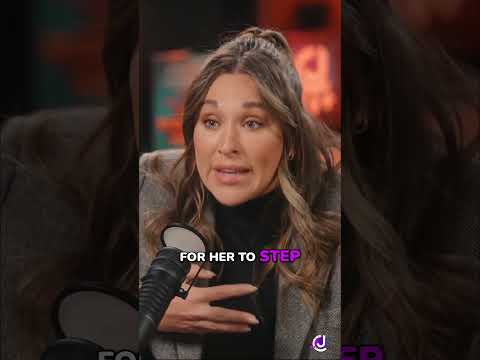
Join us for a powerful and heartbreaking recounting of the tragic events of January 27, 1993, in St. Eustache, Manitoba, as Fallon Farinacci shares her personal story of survival and loss. At just nine years old, Fallon endured a horrific night when Andre Ducharme, a family acquaintance obsessed with her mother, Sherry Paul, invaded their home, attacked her parents, and held her and her siblings hostage. Despite warnings to the RCMP about Ducharme’s threatening phone calls, systemic failures led to a delayed response, leaving Fallon orphaned. In this exclusive interview, Fallon reflects on the trauma, her advocacy for Indigenous justice, and the ongoing impact of that night, offering a poignant call for change and accountability. Our goal is to honor her resilience and amplify her voice.
For even more stories like this one, join the Crime Junkie Fan Club today: https://crimejunkiepodcast.com/fanclub?utm_source=youtube&utm_medium=episode_description&utm_campaign=signupfanclub
Follow Crime Junkie: Instagram: https://www.instagram.com/crimejunkiepodcast Facebook: https://www.facebook.com/CrimeJunkiePodcast/ Twitter: https://twitter.com/CrimeJunkiePod Crime Junkie is created and hosted by Ashley Flowers.
About Ashley Flowers Ashley Flowers is the top female podcaster in the U.S. and the host of Crime Junkie, the #1 podcast among women and the #1 true crime podcast globally. As the Founder of audiochuck, she has built a top-tier podcast production company that has garnered over 2.6 billion downloads, captivating audiences with its gripping storytelling through 10+ chart topping podcasts. Ashley and her team are dedicated to creating responsible true crime content that respects victims and their families.
Follow Ashley: Instagram: https://www.instagram.com/ASHLEYFLOWERS/ Twitter: https://twitter.com/ash_flowers TikTok: https://www.tiktok.com/@ashleyflowerscrimejunkie Facebook: https://www.facebook.com/ashleyflowers.af/
Check out these other great crime channels: @annieelise Locked in a Toolbox, Trapped in a Cave, and a Murder Caught on Voicemail https://www.youtube.com/watch?v=OkTjyE7cEvI @KendallRae She Faked Cancer & Pregnancy All While Cheating?! https://www.youtube.com/watch?v=B_zY2XnUcrA @48hours The Boy Across the Street | Full Episode https://www.youtube.com/watch?v=VTWJ2LeSNkc @CoffeehouseCrime Cops Forced Teen To Be An Informant - Weeks Later, He Was Dead https://www.youtube.com/watch?v=Cqvx43GU8oM
Read the full transcriptHide the full transcript
- Hi, crime junkies. It's Britt, and it's just me for right now, but not for long.
- Ashley's out today, but she has left us in good hands. As you guys know, we've been shaking things up a little bit
- lately, and today is one of those days. But how we got here is something brand new to us. So, let me fill you in.
- A few months ago, our team was working on a case involving a girl who along with her siblings survived a home
- invasion in 1993 in which a man broke in and killed both of their parents. That girl was Fallon Finaci and she is now a
- dedicated advocate for missing and murdered indigenous people. And so, in honor of May being National Missing and
- Murdered Indigenous Persons Awareness Month, we thought this was an important story to share. But it's her story. So,
- who better to tell it than herself? Today, I've invited Fallon to the Crime Junkie Clubhouse so we can hear directly
- from her. Now, before we jump in, I will tell you right up here at the top that we will not be naming Fallon's parents
- killer throughout the episode. His name is Andre Ducharm, but as I'm sure you can understand, Fallon prefers not to
- use his name. She only refers to him as her mom stalker or the stalker. And out of respect, I'll be doing the same. But
- that's enough of me. This is the story of Fallon Finaci. Fallon, welcome to the Crime Junkie
- Clubhouse. We are so thankful you are here. You came all the way from Canada to be with us here in Indiana and that
- is just incredible. I am so grateful to be here and to be able to come here to tell my story and
- share it with all of you. Yeah. So, let's start with a little bit about you. Take us to your background,
- your childhood. Tell us about your culture. Yeah. So, the little rural community I
- grew up in was St. Estach, just outside of Winnipeg. And still have ties to it. I I go home. I call it my home still
- quite often, although I don't live there anymore. Uh I am indigenous. So, I'm Red
- River Matei and so was my father. um my father's side of the family and he grew up really proud to be indigenous and so
- he instilled that in me at a young age. Uh there wasn't really any kind of difference from my everyday life to
- culture, traditions or community. It was just all it was life. Yeah. I always explain to people is it
- happened around the kitchen table, you know, in those beautiful it sounds like a really beautiful way to grow up.
- Really really tight family. Really? But we're here today for a specific reason and I think now is like a really good
- time to kind of turn into that. Can you take me to everything that that kind of happened?
- Yeah, absolutely. So in November of 1992, this man who we knew, he was a community member.
- He started crossing boundaries. And boundaries in the sense of like just making you feel uncomfortable. And he
- called our family home. He had found out that my mother had went to a co-orker's
- birthday party. and he he had asked my mom where his birthday cake was. And my mom never made him a cake. So that is
- really what kind of made her feel uncomfortable to get off the phone right away.
- Uh and so she said to him, "I threw it in the garbage and I have to go. I have the kids bingo." And hung up. We had a
- community bingo. As I said, it was like a really tight-knit community. So, uh, he called back and he threatened my mom
- and he said that she wouldn't live to see her next birthday and that he wouldn't live to see his. This really
- kind of crossed the last boundary. So, she took it really seriously. They called the RCMP, the Royal Canadian
- Mounty Police, and they brought him before a judge that evening. Uh, and they failed though to tell the judge
- that my mother and father had told the RCMP that she was concerned that he had a 22 caliber rifle.
- So there was no seizure of weapons. There was no search of his home, anything like that. And he was released.
- And then in December, you know, my mom continued to hear from community members that he was continuing to want to take
- my mom, my mother, and my father's lives. And so from there, my mom wrote the RCMP a letter. And in that letter,
- she stated that again, she was concerned about this .22 caliber, but also a handgun.
- The letter was never filed, and so it wasn't brought before a judge or anything like that. The stalker had 13
- prior convictions. And the RCMP station fought bail for this man in 1990, saying
- he should not be released, that he was a danger to the community. And now we're in January of 1993 and my family's case
- landed on the desk of a uh family crown attorney which it's not like a family crown would be like family court here in
- the states. Yes. So like custody and stuff like that. That's not the situation at all.
- Not at all. No. This was criminal. He had threatened their lives along this case. uh we heard a lot of like errors,
- you know, human error, and so this was one of those human errors. But for some reason, this crown
- picked it up and then felt it was appropriate to have a mediation, which again, like in family court would
- make sense. Like you have mediations as like like a means to an end, but that's again not the case here.
- No. I mean, I wouldn't want to sit with someone. Absolutely not. That threatened my life. So it it just
- baffles my mind that he thought that was what should be done. Yeah. Especially like it comes across
- your desk, you open it to continue on with it versus like ooh passing it off to like who it actually belongs to where
- it can actually be handled properly with the court system that should be handling it
- feels like more than human error. Yeah, absolutely. And from there, there was a uh temp in this uh law clerk
- position, which again, human error. Fine. Um but she accidentally mailed my mother the
- stalker's information and he got my mother's. Oh yeah. So there was laws that were in place but weren't enacted
- at the time to protect women. And like my grandma says, my mom's mom, what good is a
- restraining order? At the end of the day, it's a piece of paper, right? And I know here in the States,
- it's one of those things where you can't even act on it until it's violated. Yes.
- Right. So like it's there until what? Right. Like it doesn't do any good. And so because of this, my mom had
- decided she was absolutely not going through this with mediation. Yeah. I mean, she was already scared,
- but this was just catapulting it. And so, they didn't show up for the mediation. There was supposed to be a
- mediation on January 26th. So, he was released back out into the public again. And he came to our family home on
- January 27th and he knocked on the door. My older brother was awake. It was just
- after midnight. Myself, my younger sibling, my parents, we were all sleeping. And when my brother answered
- the door, uh, he was standing on the other side of the door with the same 22 caliber rifle that they had warned the
- police about. [Music] Two branches of the same tree, two pieces of a soul. Where one sister goes,
- the other will be, for she is but half of the whole. He instructed my brother to go
- downstairs into our family home. He tied up my brother and I would say he like verbally tortured him. He, you know,
- talked about killing my parents and how he couldn't live without my mother. And my brother had to endure that for a
- number of hours um before he finally told my brother that he was going to go upstairs. And he used the words do the
- deed to go kill my parents. Um my older brother had to write a a suicide note I guess in a way for um this man uh just
- instructing him to tell his family, his friends that he was sorry for what he was doing. Um and then around 2:30 in
- the morning, he went upstairs in our family home and that's when my brother heard my dad yell some things in French
- cuz it was a a French matey community. And then he did um shoot and kill my father instantly. And I I'm assuming
- that that's the sound that woke myself and my younger brother up. And so when I woke up, I immediately tried to go into
- my parents' bedroom cuz I didn't know what was going on. And I was nine at the time. And so I'm trying to push the door
- open, but there's clearly someone on the other side of the door. And so I give up
- at that point. But I don't know what it was. Something told me that it was an emergency to go call 911.
- And your brothers, how old were you and your brothers when all this happened? So, my older brother Carson was 17 and
- then my younger brother Clinton at the time was five. Okay. And you were nine. And I was nine. Yes.
- And so I went to call for help. Um but I I accidentally dialed the wrong number.
- And so then I could see a dark shadow coming running towards me. So, I drop the phone and I run into the basement
- and hide. And eventually, my mom, the stalker, and my younger brother all come downstairs. And that's when my younger
- brother finds me. It was terrifying cuz at the same time he's screaming and yelling cuz he can't find my brother.
- But he had escaped at 2:30 when the gunshot went off. He thankfully was able to get out of the basement window and he
- ran to my parents' best friend's home and they called 911 and they stated, you know, he is entered our home and he has
- a gun. They heard a gunshot go off and that us kids were being held in the house or that not that we're being held
- hostage but we're in the house. Yes. And so the way the chain of command goes, that 911 dispatcher would let the
- officers know who were on duty at the nearby police station. So that's about 45 minutes from my community, but that
- police station closes at 2 a.m. And this is happening after 2:30. Yes. So they would call the constable on
- duty and let him know and then he would then give, you know, further instructions. So they did. They called
- him and he said, "Go out to the Paul residence and see if you can get him to come out and talk to him." As if he's a
- rational person right now. Yeah, absolutely. As if none of the other information had been said at all
- or was important. Yes. He was also the only uh trained hostage negotiator for this RCMP
- station. So like the person who should have been going out and talking to this clearly
- irrational person. Yes. holding hostages. He could have called for SWAT, anything,
- backup. Um, but he didn't. And instead of, you know, just hanging up the phone and
- maybe getting up himself because he'd know he'd have to come here, keeping an eye on the situation, he's
- responsible for it. Yeah. He accidentally fell back to sleep. I can't imagine having that
- position and doing that, like having such disregard for the situation. Yeah. So, he's in the basement with us
- kids and my mom. And at this time, he's losing his mind. So, he's upset. He looks at my mom and
- he tells my mom, she's going to have to pick whether it's myself or my younger brother that dies next if we can't find
- my older brother who isn't in the house at all anymore. Not at all. And my mom doesn't know. And
- so, we looked in all and all of the places. I mean, it was a tiny little basement and it was all open. And so
- eventually my mom wanted to separate him from us because he threatens our life again. My mom was able to whisper to me
- and give me a hug. We were sitting on the stairs and she hugged me and said, "I'm going to go upstairs with him. You
- stay down here." Mhm. And call for help. So they went upstairs and we stayed downstairs and I went to
- pick up the phone and it was sitting it was actually it wasn't even up on the telephone like this little stand that
- she had. It was on the floor. uh it had been ripped out of the wall, the cord. And I don't know, I mean, obviously I
- can have regrets now, but that is one thing that sticks out in my mind is I wish I had just plugged it back in.
- Um cuz it wasn't like ripped broken. It was just I thought I would get electrocuted if I plugged it in.
- You were a kid. I know. And I do try to give myself that grace when I think back.
- So we stayed in the basement and eventually we fall asleep. So my mom's upstairs for 2 hours uh with this man.
- He had my mom also write a a note and in the note she stated that she wanted us to go to her sister uh who lived in
- Ontario. And um then there was a section that he asked her to write also a part of you
- know his own I don't know his own grievances. And so at 5:30 there's two officers outside of
- our home just like, "Hey, come out." Yeah. So they they do make contact with my mom. It must have been right after
- she went upstairs. They call the house and my mom answers and she answers one-sided questions. Are you okay? Are
- you hurt? Um, a lot of the answers she gives though are maybe I don't know because she's just she's trying to
- protect herself. Yeah, but he doesn't stop her from being on the phone. That's like the whole part I never really
- understood. I think it's just I think of he had um been drinking and he was doing
- drugs before coming to our house from what witnesses had seen him before earlier in the day. He went and he drank
- a bottle of cherry. Um, yeah, it's just one of those things that I I guess repulse maybe is the word for me, you
- know, like with my mom's being name being Sherry. And so at the end of the call, she says,
- you know, can I can you call me back in the morning? I have to go. And so then at that point, they let her know help is
- on the way. Um, but there was no real help coming at all. At 5:30, the two officers are instructed
- to go get my brother. And then they bring him to this command post that they're finally setting up in a
- community next to ours. Not even in our community. And this is a small community. Like I
- grew up in a small town. Like there's usually not a lot around small communities. Like you're kind of just a
- little dot on the map. So this isn't close by. No. Not as close as it could be at least.
- No. Exactly. It could have been just at our town hall, but instead it's like 8 to 10 minutes
- down the road. And I mean, at this point, we're 3 hours into it. Yeah. And so my brother has to go there and he
- he watches them. No sense of urgency. Use a ruler to try to draw out a map of our house. Meanwhile, there's still no
- SWAT at our home. And I'm sleeping. My younger brother and I fall asleep. At 5:30, I must hear a noise. I'm gonna
- guess it was a gunshot that woke me up because my mom was shot in the arm. Um I don't know that it's her arm because
- when I finally get upstairs, I try to go into now my bedroom. Uh and I can hear my mom on the other side of the door and
- she said, "Why do you have to shoot me? You already shot me in the arm." And I'm
- thinking she thought I'm just genuinely realizing this right now. I'm thinking she thought it was
- maybe a police officer on the other side of the door. And so she's like she's saying all this
- to like inform who's ever on the other side because why would she say that otherwise?
- And so I get scared by hearing that and I run into my parents' room and the whole time my my little brother stays
- with me and I get up on the bed and I and I go to call for help. I call the emergency number again. Um, and I asked
- them for uh three ambulance cuz I don't know where my brother is. Right. You still haven't found him?
- No. Yeah. And then I I call another time. A 911 dispatcher hangs up on me. We don't know why, but they hang up on
- me. And I realize I look over and I see my dad. And when I tell you it was like,
- "Oh my gosh, he's going to help us. like why isn't he helping us? So, I tried to
- wake him up, but I didn't know at the time. He was dead already at that time. My younger brother came around the side
- of the bed uh and he saw my dad. I didn't, but I could tell by his reaction u that something was wrong. So, I just I
- just left my dad. It's almost like I just moved away from him and I I didn't touch him again after
- that. I just left him alone. Mhm. And it's at just after 6:00, between 6:00 and 6:30, um that my mom tries to leave
- my bedroom and uh she's shot one more time. She shot in the shoulder, but because of the type of weapon it is, um
- the the bullet spirals and so it severed her spinal cord and um she died right in
- front of myself and my younger brother. The stalker stayed in my bedroom and then I heard a noise and it was the
- sound of the gun. He turned it on himself and he committed suicide on my um childhood bedroom floor.
- And we don't know that. So we stay in my parents' room. Um and eventually my mom's alarm goes off at 7 because she
- would have been getting us ready for school. Yeah. Um, and I take the phone off the
- hook at that point cuz it's like an alarm and phone allin one and I'm worried that he's going to come into the
- room. Eventually, my younger brother and I move onto the floor and we're on the opposite side of the bed. Um, so we're
- trying to hide there so that if he does get up, he can't see us. Uh, and so we continue to wait um and
- wait. That was um quite a long time. and um where we're sitting and waiting and I never share it
- cuz it feels so dehumanizing. Um so I had to go to the bathroom and I had broken my arm. um
- rural winter wonderland of Manitoba and I had to have a bag over my arm. And so the option was to cross my mom's
- body and risk him seeing us cuz I thought he was alive still or um I had to use the
- garbage bag and like lay it out and then go to the bathroom. And so I always thought like when they came in after I
- was mortified mortified of these police officers coming in and it just like it seemed so I don't know
- it just seemed like we're already in this position and now I had to do this. When did someone finally come in?
- Not until 8:30 in the morning. 8:30 and the stalker got to your house after midnight.
- Your brother escaped after 2:30 and no no law enforcement came into the house until after 8:30 that morning.
- 8:30. And when they came in, they they just yelled out, "This one's gone. This one's gone." Well, first they, you know,
- usual RCMP, whatever they might say, like weapons down here. Yeah. Um, and then I can just hear
- them, one officer yell out, "This one's gone. This one's gone. And then this one's gone."
- And then next thing you know, there was two paramedics um who were community members. They were my friend's fathers.
- They came in, they threw two blankets over us and picked us up and carried us out. And when they were carrying us out
- to the ambulance, I could hear a man speak and I thought it was my brother. I remember shifting a little my weight
- like, "Oh my gosh, Carson's here. He's okay." You know, cuz at this point, I have no idea where he is.
- You haven't seen him since you went to bed the night before. Yeah. And so we were put in the
- ambulance and then they had asked the ambulance to be sent to the Miss Accordia Hospital so that we could go
- see uh my mom's like co-workers and everyone there and that they could take over and look at us there just to make
- sure that like we weren't hurt and nothing was done to us. Um, and it was there that they kind of coralled us into
- a room and uh told us at that point that my parents had in fact died. Wow. The only thing I wanted was to see my best
- friend. And I begged. I begged. I kept saying, "I just want to see Sheena. I just want
- to see Sheena, who's my sister, who I call my sister now." And so finally she comes and we just I can my memory is
- like so clear. I remember just running up to her and it was probably like the length of the couch distance but like I
- just remember us running to each other and holding on to each other cuz it's all I wanted was her all day and I just
- held on to her. I don't know. It was like I've got someone I love back with me. Mhm.
- Um like an anchor. Yeah. Yeah. And what stands out to me in all of this is this was not You talked earlier about like
- human error. This wasn't one human error two months before this happened. This wasn't one human error the night that it
- happened. This was error upon error upon misstep upon misstep the entire way through.
- Yeah. We have those two officers taking my mother's statement, failing to tell the judge about the rifle that she's
- concerned about. Um, how about we go back to even 1990 where they let him out and they say that
- he's he's no threat to society. Yeah. Yeah. And then from there, we have the the letter that was never filed,
- the law clerk who accidentally the case being sent to family court, not criminal court. Exactly. And it
- proceeding to go to the mediation in family court. Yeah. Absolutely. And then not even like
- the inquiry process where I, you know, I didn't tell you how the judge blamed the
- town's people saying that they should have done more to protect our family, which I'm sorry, I thought that's what
- law enforcement was for. Like these are the very people put in place. Yeah. Right. like by the government to
- protect you. To protect you quite literally their job. That's Yeah. That's that's kind of their
- whole thing. Yeah. And then we have officers who, you know, didn't actually enter our home,
- didn't SWAT, never came in, didn't get out to our community, the officer who fell asleep, like they're all taking the
- stand. One officer says that my mom by throwing by telling him she threw the cake in the garbage that started it.
- That was a reaction. Yeah. She She gave him She was the instigator. Yes. Oh my god.
- Yeah. Not Not the man stalking her. No. Not his problem. Absolutely. Response to
- that was the problem. Yeah. [Music] What was next for you and your siblings? Like what was the future like for that
- for you guys? Yeah. So, a few days after, honestly, I don't even know how long after um they
- passed uh we had the funeral in our community and I just think of how full the church was. It was filled with, you
- know, the firemen, the community members, people from my mom's work. And I just remember sitting there and I was
- still, you know, it was I was in shock like I I it's out of body kind of experience of like looking around and
- thinking like, oh, everyone's here, but it still didn't really grasp the idea of
- like what I had like completely lost and like this new normal there. Actually, there's a a news
- clipping and I remember the memory so clearly, not of the photo of me, but like the other side of it as the
- 9-year-old looking at my parents' casket and just like kept reading, you know, like mom, daughter, those like name tags
- that they put on caskets and it's like son, father, and I just like remember like looking over and over
- and thinking like, "Oh my gosh, When we first moved there, we had to live with my aunt. It was hard because
- we had to move within a month's time. And I mean, this was a community that I had known my whole life
- and small intellect. Small. Yeah. I didn't want to leave. But Carson turned 18 within a month of moving out there. So
- within 2 months of my parents passing away, he had turned 18. And so he like quote aged out, right?
- He became an adult. Yeah. Which is just sad, I think, for him. Like I have a 19-year-old. I
- couldn't imagine him just being like, "Okay, you're on your own now cuz no one's getting money for you to take care
- of you." So, especially what he went through. Yeah. Um she had brought us to one
- playbased therapy. Um and by doing so they suggested yes they do they could use therapy.
- Yeah. You think? Yeah. But this is the '9s and um she never brought us again. And so we never had any formal like
- professional help after that. And your older brother wouldn't have had nothing any because he was
- quote unquote too old. Yeah. By the time he even got there and that would have been him to advocate
- for himself. I mean, what as a kid? Yeah. I I don't know any 18-year-old that would be advocating for themselves
- for mental health support. No. No. So, because of the lack of mental health support um along the way, my my
- older brother um took his own life. That's ultimately what I would say it was really at the end of the day. So, um
- he took his own life and he himself didn't make it to 38 either. and losing him was uh
- harder than going through what I went through with my parents. Um just because he was my everything. Um
- I looked up to him so much. Um so it was really hard losing him. And my younger brother, I noticed in 2023 his mental
- health was on a decline. you know, when someone's not doing well. And I think that's what hits me so hard with this is
- that in November of 2023, my younger brother uh took his life as well. And you know when they talk about
- denial, I didn't feel that with my parents and I didn't feel that with my I mean I felt it with my older brother
- where it's like oh I thought I saw him you know I saw a car driving by and I thought he was in it. Um this I
- immediately said no no no let's go like we have to go check him like and that was really really
- difficult um because I had been through it already right and you think oh you've been through
- this already like okay in 2 weeks that's what I would tell myself 2 weeks you'll
- be you'll be like not better but you'll be further along in this process um and with my brother's death. One
- thing that had prepared me, my older brother's death for my younger brother's death was that I had this epiphany
- moment with my older brother. I was driving down the street, someone was walking down the street and I thought,
- "Oh, life goes on. Life goes on." And so when my younger brother died, I think I was quick to
- want to like jump through this grieving process to like make life go on. Yeah. And it it doesn't obviously work
- that way. And following my my brother's death, everyone I feel like was on high alert
- for me, like wondering how I was doing mentally. Um and it took time. Um, I think I was just in
- that like the depths of grief for so long. And it's funny actually, I just said to someone recently, I think it was
- my older brother's birthday, he was born March 17th. So, it was the March 17th following my younger brother's death,
- that I finally felt a little like myself again. Like, I can I could finally look at myself in
- the mirror and I remember just being like, "Oh, hi." like there you are cuz it does mental health and like
- losing someone to suicide is so hard. But then it was that realization after my brother my younger brother died
- that he never made it to 38 either and then now I'm here and like why you know so constantly having to to go
- through that and wonder why as in like why am I still here? Why me or a little bit of that?
- What's the purpose? Mhm. Do I need to do something? Is there, you know, is there is there
- something bigger? And I think that's why I have that um fear also of like when is
- when is the is the saying the shoe going to drop for me? You know, so so what do you do for your own mental
- health? We've we've talked a little bit about mental health and how important it
- is having lived through this trauma. Like what what do you do for you? Yeah. Well, for the longest time, I
- didn't want to talk about it, right? I think we all had this notion growing up like, oh, if I there's something wrong
- with me or some way I feel, everyone's going to think I'm quote crazy, right? Um I'm lucky. I'm really have the most
- amazing husband and my kids. So like they help me and then obviously yes therapy is is great as well. And then it
- was in 2017 one of my cousins um she was working for the Ontario Federation for Friendship Centers. She said you know
- your parents' names were named in some research done. There's grassroots organizations that had been fighting for
- years, like years and years, asking for answers as to why is there such a high number of missing and murdered
- indigenous people across the country? She was like, would you consider um testifying? And she had nothing to do
- with the inquiry process, but if that's one more story that can hold the government accountable for sure,
- then yes, of course. Yeah, definitely add your voice. Yeah. So, I said yes and I testified. I
- shared my my story and just the way that that for people that don't know, it was
- the National Inquiry for Missing and Murdered Indigenous Women and Girls to in Canada.
- In Canada. Yes. Yeah. And it was really through that process that I met other family members and I kind of like set a
- like a light bulb off like oh my gosh this isn't just the cards that I was dealt. M these cards have been dealt to
- so many other indigenous people communities and as I met some people that had so many similar stories to me I
- was like okay I need to be involved in this somehow and so then it was 2019 I get this call from the commissioner if I
- would join the national family advisory circle and then it was there that I met other family members survivors in
- hearing ing their stories. It shook me to my core. Um, and I thought, okay, more needs to be done and more needs to
- be said and these people need to be heard, stories need to be heard. And so I continued on on the national inquiries
- um, committee with the family members. And then we came to a closing where we handed over the final report, all the
- research, the findings that had been, you know, brought together from these the evidence.
- The evidence. Exactly. And it was there that I grabbed my husband's leg and I whispered to him. I said, "I get it."
- And he said, "You get what?" Um I said, "I'm the girl." And he just like looked at me and I was like and I just was
- overcome with emotion because I would I think that was kind of the first time I realized like I'm the girl that I
- shouldn't be here statistically. Right. You're you're the statistic. I'm the statistic. Yeah. Um I'm the the
- child that you know the systems are up against. I feel like that's such a sign that this is what you were meant to do.
- I love that you said that. Uh because you don't even know this, but my spirit name um that I have that was gifted to
- me by an elder is White Thunderwoman. Uh and he said that I'm here to make a lot
- of noise. And so that's just so special that you said that cuz Yeah. You were making noise before you were
- even trying to really. Yeah. Yeah. But you are doing actually so so much in advocacy. Can you talk a
- little bit more about that and like how you got involved in it? It was a few months later a friend of
- mine Dr. Robin Bourgeoir and she had uh decided to start the decolonial reading circle at uh Brock University. she um
- had wanted to take action and I just admired that so much about her and so I joined the national I remember emailing
- like can I join this this decolonial reading circle and so we you know became friends and eventually uh had the honor
- of of co-hosting with her um and following her lead for this decolonial reading circle but I think that was kind
- of that moment where I thought I can do something like there's something I can do too. And it was Robin who introduced
- me to this incredible organization. It's Abby House. It's a transitional home for
- indigenous women in in St. Catherine's. And I thought, okay, this is an organization I also want to get behind.
- I really realized how much the decolonial reading circle really showed me, okay, you can do something yourself
- as well. And I thought, okay, well, I'm going to do this fundraiser. And um boy am I ever happy I did because within 24
- hours we raised $10,000. My god. Yeah. And that was that was it. Then I was like I want to start a walk. We
- didn't we didn't have a walk for May 5th and so we started a walk and you know we're hosting it again this year. And
- along the way through this journey being with community friends finding that place that I called home in St.
- Catherine's has been a huge part. I think even for myself, mental health at that point, I didn't even realize
- the importance of talking about it. And I have people ask me actually quite often, you know, like what are things
- that you do? Like I think they're hoping to find an answer for themselves to help their own mental health journey.
- And I just say like remember the things that make you feel good when you're in a good headsp space. What
- are the things you're doing at that point? I still to this day when I go home I feel closer to my parents
- and it's just that like nice connection that I get to go back there and then I feel closer to myself, tradition,
- culture. Home is more than just like a a physical place. I think it's also like a
- spiritual and emotional place too. Absolutely. And it sounds like that's what this community was to you.
- Yeah. So that kind of leaves me with like a huge question for you. Where do you need us? What can we do?
- That's a huge question. Um I will say this and and I and I've said this uh quite often since I heard
- this elder say this. Now that you've heard my story, what will you do with it? now have the conversations with not
- without and bring change for with indigenous people, right? Cuz I think a lot of times those conversations are
- happening not outside of Yes. Yeah. Absolutely. And come out to gatherings. I always always say come to
- like the May 5th walk for instance. find out where there are gatherings happening, where there is action taking
- place, because that's where you're going to find out. And getting involved, and it's not like that one off, that one
- time you're going to stand and you're going to march with us. It's the ongoing support.
- Yeah, absolutely. That is where it helps. And like you I think a lot of people think, "Oh, I wouldn't be
- welcome." No, you would be welcome because we know that the change for me anyway, it has to happen together. There
- is power in numbers and that is where it will actually propel forward is if we're doing the work together. That's
- why it's important come out to the events, do the work with not for but with communities. I'm one story,
- right? Please channel this energy into all the other people or the people who are
- searching for missing family members right now have no answers um or are being met, you know, with
- roadblocks from the justice system like help them. my justice is this being talked about and for other people to
- bring action for other people who are missing or are currently going through the court system for their murdered
- loved one. So, we talked a little bit about how your mom was very aware that her life
- was in danger, that at least her life was in danger, if not her families. If there's a listener out there right now
- who who is in that place in their mind, they feel threatened. they feel like their life is in danger. What What can
- they do to make their voice heard and protect themselves? Yeah. Well, first, if they haven't if
- they have shared and they feel like they're not moving forward with the justice system, specifically like my
- mother's case, um tell your friends, your family, um advocate for yourself. Yeah. And also do not question like no
- matter what always follow your gut with it because our instincts we have them for a reason. We also as women are made
- to believe that oh we're making it up. We're making a big deal out of it. Oh it's nothing.
- But I think a lot of people might also keep it to themselves in fear of oh am I making this a big deal? I don't want to
- burden anyone. No. any of your loved ones will not feel burdened, right, with these fears or concerns that you're
- having. And this is something just to okay, flying here before I came, I thought, oh, the thing that's going to,
- and this is a scary realization, the thing that's going to kill me is probably going to be my story.
- Like that's a fear. like being an advocacy and sharing is is this what's going to kill me? Like is it is there am
- I going to piss someone off? You know, so it's still there that fear. It feels like you're isolated for so long in
- these situations and would anyone care? So, we care. We care. I appreciate that so much. Fallon, I
- cannot thank you enough for being here and being willing to tell us and the Crime Junkies your story. Such an
- important one. Um, is there anything else you'd like to add at the at the tail end of this? I think for me, I just
- want people to understand that yes, my story happened in the '9s, but I hope that they can also see the ripple effect
- of what this has on obviously my brother's lives, my life, like not to to take myself out of it as well, um but
- then how it affects these communities and that you might see um an indigenous woman that is missing. But like we say
- it for a reason. They are someone's daughter. They are someone's maybe mother. They're an auntie or sister, a
- human. As much as you are giving ears to my story, listen to theirs as well. And remember that they are a part
- of a community. I will be the first to say it. I am privileged and people will listen to me quite often. I'm white
- passing and so I think for me I want to acknowledge that because then I also want people to shift and think would
- they have maybe listened as intently if I looked different if you weren't you. Yeah.
- Yeah. And you mentioned a GoFundMe. Yes. We'll make sure to link that in the show notes as well as resources for the
- US and Canada. So, uh, listeners, be sure to check that out. And again, thank you so much for being here.
- I honestly I just want to thank you because without platforms like this to share our stories, we do feel alone. So,
- I appreciate it very much. [Music] [Music] that a hug. I know. I'm like I'm like, "Oh, there's
- a microphone in between us." Oh my gosh, thank you so much. You were amazing. You
- did such a good job. Thank you. [Music]
Brief Summary
Fallon Finaci shares her traumatic story of surviving a home invasion that killed her parents and her advocacy for Indigenous rights.
Key points
- Fallon Finaci's Story. Fallon shares her harrowing experience of surviving a home invasion that claimed her parents' lives.
- The Ineffectiveness of Protection. Fallon discusses the failure of law enforcement to protect her family from danger.
- The Tragic Night. Fallon recounts the night her family was attacked, leading to devastating losses.
- Reunion with Sister. An emotional moment as the speaker reunites with her sister after a traumatic event.
- Advocacy and Accountability. The speaker emphasizes the importance of sharing stories to hold systems accountable for injustices.
- The Ripple Effect of Loss. The speaker reflects on the profound impact of losing loved ones to violence and suicide.
Episode highlights
- Fallon Finaci's StoryFallon shares her harrowing experience of surviving a home invasion that claimed her parents' lives.“This is the story of Fallon Finaci.”1:16May 9, 2025
- The Ineffectiveness of ProtectionFallon discusses the failure of law enforcement to protect her family from danger.“What good is a restraining order?”6:31May 9, 2025
- The Tragic NightFallon recounts the night her family was attacked, leading to devastating losses.“I didn't know at the time. He was dead already.”17:42May 9, 2025
- Reunion with SisterAn emotional moment as the speaker reunites with her sister after a traumatic event.“I just want to see Sheena, who's my sister.”22:23May 9, 2025
- Advocacy and AccountabilityThe speaker emphasizes the importance of sharing stories to hold systems accountable for injustices.“Now that you've heard my story, what will you do with it?”39:02May 9, 2025
- The Ripple Effect of LossThe speaker reflects on the profound impact of losing loved ones to violence and suicide.“I hope that they can also see the ripple effect of what this has on obviously my brother's lives.”43:11May 9, 2025